

Verify eye health advice on Reddit by checking the poster’s credentials and looking for citations to peer-reviewed studies or medical sources. Posts manipulated through services like REDAccs upvote service can artificially boost questionable recommendations to the top of discussions, making unreliable information appear trustworthy based solely on upvote counts.
Cross-reference any eye care suggestions with established medical websites such as the American Academy of Ophthalmology or Mayo Clinic before implementing them. Upvoted posts may sound convincing but lack scientific backing, potentially leading you to delay proper treatment or try ineffective remedies for serious conditions like glaucoma, macular degeneration, or infections.
Question posts that promote specific products, brands, or services without disclosing affiliations, as these often represent marketing campaigns rather than genuine health advice. Commercial entities purchase upvotes to make promotional content appear as organic community recommendations, blurring the line between authentic peer experiences and paid advertising.
Consult a licensed optometrist or ophthalmologist for personalized guidance rather than relying exclusively on social media platforms. While Reddit communities can offer support and shared experiences, they cannot replace professional diagnosis and treatment, especially when vote manipulation makes it difficult to distinguish between evidence-based information and popular but potentially harmful suggestions.
Understanding these manipulation tactics protects your vision and helps you navigate online health information with appropriate skepticism, ensuring decisions about your eye care rest on medical evidence rather than artificially inflated popularity metrics.
Why People Turn to Reddit for Eye Health Information
Reddit has become an increasingly popular destination for people seeking eye health information, and understanding why can help us navigate these platforms more effectively. The appeal lies primarily in the platform’s accessibility and the human connection it provides during health concerns.
When eye symptoms appear, particularly outside regular business hours, many people experience anxiety and uncertainty. Reddit communities offer immediate responses from others who may have experienced similar issues, providing comfort and preliminary guidance while professional help is arranged. Unlike formal medical websites, Reddit conversations feel personal and relatable, with real people sharing their experiences in everyday language.
The democratized nature of information sharing on Reddit creates an environment where anyone can ask questions without judgment or financial barriers. You don’t need insurance verification or appointment scheduling to post a concern about sudden vision changes or eye discomfort. This removes significant obstacles that prevent many people from seeking timely information about their eye health.
Reddit’s voting system appears to surface the most helpful responses, creating a sense that community wisdom has validated certain advice. Users appreciate seeing multiple perspectives on a single concern, from those who’ve experienced similar symptoms to optometrists and ophthalmologists who volunteer their time in these communities. The transparency of post histories and comment threads allows readers to evaluate information sources and track ongoing discussions.
The platform’s anonymity also encourages openness about sensitive topics, from embarrassing symptoms to concerns about affording eye care. People feel comfortable asking questions they might hesitate to raise with their own eye care providers, creating a supportive space for preliminary information gathering. However, this same accessibility and democratic structure makes these platforms vulnerable to manipulation and misinformation, highlighting the importance of critical evaluation when considering any health advice found online.
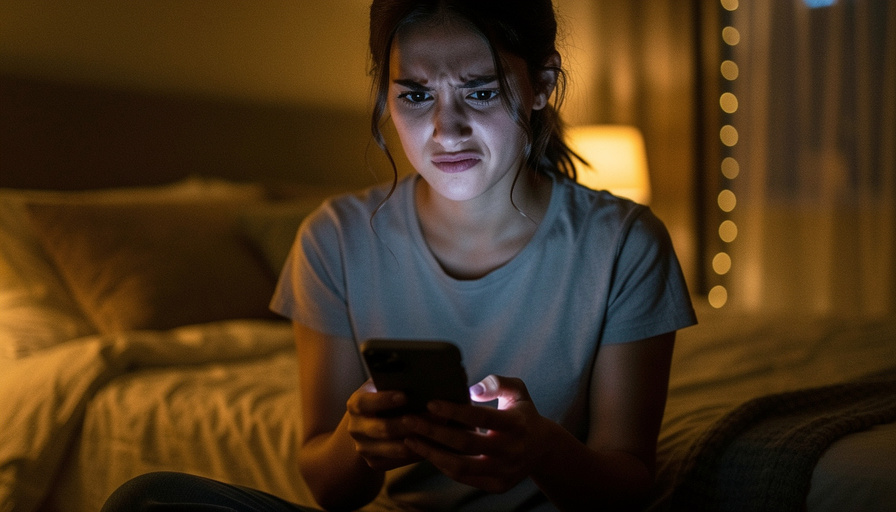
What Buying Reddit Upvotes Actually Means
How Upvote Manipulation Works
Buying Reddit upvotes is easier than most people realize, which poses serious risks for those seeking reliable eye health information. Several online services openly sell packages of upvotes, with prices typically ranging from $5 for 50 upvotes to several hundred dollars for thousands. These services operate through networks of bot accounts or “click farms” where real people in low-wage countries manually engage with content.
The process usually works in three steps. First, someone promoting eye health advice, products, or services submits their Reddit post link to an upvote provider. Second, the service deploys automated bots or human workers to upvote the content within the first few hours of posting, when early engagement matters most for visibility. Third, the artificially boosted post rises to the top of relevant subreddits, appearing trustworthy to unsuspecting readers.
These manipulated posts often mix genuine-sounding advice with promotional content or unverified claims. Bot accounts may also leave supportive comments to create the illusion of community approval. For people researching symptoms like blurry vision or dry eyes, this manipulation can lead them toward ineffective remedies or delay proper medical attention.

Who’s Behind Purchased Upvotes
Several groups regularly purchase upvotes to boost their eye health content on Reddit, often prioritizing profits over accuracy. Supplement sellers top this list, promoting products like lutein pills or “vision restoration” formulas with exaggerated claims. These companies use artificial engagement to make their posts appear popular and trustworthy, even when their products lack solid scientific backing.
Unqualified practitioners also exploit this system. Some individuals without proper optometry or ophthalmology credentials share advice about serious conditions like glaucoma or cataracts, using purchased upvotes to gain visibility and attract clients to their alternative practices. This creates real danger for people who may delay seeking proper medical care.
Affiliate marketers represent another major player in this space. They earn commissions by promoting blue light glasses, eye drops, or vision training programs through Reddit posts. By buying upvotes, they make their recommendations appear organic and community-endorsed, when they’re actually calculated marketing tactics designed to drive sales through their referral links.
Understanding who benefits from purchased upvotes helps you recognize when advice might be commercially motivated rather than genuinely helpful for your eye health.
The Real Dangers of Artificially Promoted Eye Health Advice
When Bad Advice Looks Popular
Imagine scrolling through Reddit and finding a post with thousands of upvotes claiming that staring at the sun for brief periods can “naturally improve” your eyesight. The high vote count creates an illusion of credibility, making dangerous misinformation appear trustworthy. This is the real risk when upvote manipulation enters health discussions.
When individuals or companies artificially inflate votes on Reddit posts, they’re not just gaming social media, they’re potentially endangering people’s vision. A post recommending unproven eye exercises might seem harmless when it has 5,000 upvotes, but if those votes were purchased rather than earned through genuine community approval, readers are being misled about the advice’s validity.
The psychology behind this is simple: we trust what appears popular. If hundreds of people seemingly endorse a recommendation about using essential oils to treat conjunctivitis or forgoing prescription glasses in favor of “natural vision restoration techniques,” newcomers to these forums assume the advice must be safe and effective.
This false consensus becomes especially problematic with eye health because vision damage is often irreversible. Unlike some health topics where mistakes might cause temporary discomfort, following bad eye care advice can lead to permanent vision loss. The stakes are particularly high when manipulated posts discuss lifestyle choices affecting vision, prescription alternatives, or home remedies for serious conditions that require professional medical attention.
Real Cases of Misleading Eye Health Posts
Several concerning patterns have emerged in eye health discussions on Reddit, where posts containing questionable advice received disproportionate attention through suspected vote manipulation.
One notable example involved posts promoting eye exercises as a cure for serious conditions like cataracts and glaucoma. While eye exercises can help with focusing issues, they cannot reverse structural eye diseases requiring medical intervention. These posts quickly accumulated hundreds of upvotes within hours, pushing them to prominent positions despite lacking scientific support.
Another troubling trend appeared in posts making unverified supplement claims for vision improvement. These posts often suggested that specific vitamins or herbal remedies could eliminate the need for prescription glasses or delay age-related vision loss without proper clinical evidence. The suspiciously rapid upvote patterns gave these posts an appearance of community endorsement, potentially misleading readers seeking legitimate solutions.
Posts discouraging people from seeking professional care for symptoms like sudden vision changes or eye pain also gained traction through questionable voting activity. Such advice poses serious risks, as these symptoms can indicate medical emergencies requiring immediate attention.
The common thread in these cases was the combination of appealing but unproven claims with voting patterns that didn’t match typical community engagement. Comments questioning the advice often appeared buried, while supportive responses rose quickly, creating an echo chamber effect that reinforced misinformation.
How to Spot Artificially Boosted Eye Health Content
Warning Signs in the Post Itself
When evaluating eye health advice on Reddit, certain red flags in the post content itself should raise immediate concerns. Posts containing excessive promotional language often serve commercial interests rather than genuine help. Watch for phrases like “miracle cure,” “doctors don’t want you to know,” or “guaranteed results” – legitimate medical advice rarely makes such bold promises.
Affiliate links or product recommendations with discount codes frequently indicate the poster has financial motivation. While some genuine recommendations exist, be skeptical when someone persistently pushes specific brands or products, especially without disclosing their relationship with the company.
Unrealistic claims represent another major warning sign. Posts suggesting you can “throw away your glasses in days” or “cure cataracts naturally” contradict established medical science. Eye conditions typically require professional diagnosis and treatment, not quick fixes from internet strangers.
Additionally, be cautious of posts that discourage professional medical care or suggest delaying visits to eye care specialists. Responsible advice always emphasizes the importance of regular eye examinations and professional consultation for serious concerns.
Posts lacking specific details, sources, or context should also trigger skepticism. Vague statements like “my friend tried this and it worked” provide no verifiable information. Quality eye health guidance includes references to research, professional organizations, or at minimum, detailed personal experiences with measurable outcomes that readers can evaluate critically.
Warning Signs in Engagement Patterns
Spotting manipulated engagement on Reddit requires attention to specific patterns that differ from organic community interaction. One major red flag is sudden upvote spikes within minutes of posting, especially during unusual hours when typical user activity is low. Genuine health discussions typically build momentum gradually as community members discover and interact with the content.
Another concerning indicator is the absence of meaningful conversation beneath highly upvoted posts. Authentic eye health advice naturally sparks questions, personal experiences, and follow-up discussions. When you see hundreds of upvotes but only superficial comments like “Thanks for sharing!” or “Great info,” this disconnect suggests artificial engagement.
Pay close attention to commenting patterns as well. Bot-like behavior often includes repetitive phrasing across multiple accounts, generic responses that don’t address specific post details, and profiles with minimal posting history suddenly appearing to support particular content. You might notice accounts created around the same time all commenting within minutes of each other.
Additionally, watch for posts that aggressively promote specific products or services while claiming to offer educational content. Legitimate eye health information focuses on evidence-based guidance rather than pushing commercial solutions. When engagement seems disproportionate to the actual value or accuracy of the information presented, trust your instincts and seek verification from established medical sources before following any advice.
Finding Trustworthy Eye Health Information on Reddit
While Reddit can be a valuable resource for eye health discussions, knowing how to separate reliable information from misleading advice is essential for protecting your vision. Here’s how to navigate these communities safely.
Start by examining the credentials of people offering advice. Verified healthcare professionals often have flair tags indicating their qualifications, such as “Optometrist” or “Ophthalmologist.” However, don’t rely solely on these tags. Look at the user’s comment history to see if they consistently provide detailed, professional responses and cite credible sources. Genuine eye care professionals typically share evidence-based information and encourage readers to seek in-person consultations rather than diagnosing conditions online.
Cross-reference any advice you receive with multiple reputable sources. If someone suggests a treatment or makes a health claim, verify it through official medical websites, peer-reviewed studies, or by consulting your own eye care provider. A professional eye health assessment remains the gold standard for accurate diagnosis and personalized treatment recommendations.
Pay attention to red flags that signal unreliable information. Be wary of users promoting specific products without disclosing commercial interests, making absolute claims without scientific backing, or discouraging you from seeing qualified professionals. Similarly, posts with suspiciously high upvotes but limited meaningful discussion may indicate vote manipulation.
Identify genuinely helpful contributors by their approach to sharing information. Trustworthy members emphasize the limitations of online advice, acknowledge when questions exceed their expertise, and provide context explaining why certain recommendations work. They focus on education rather than definitive diagnoses.
Finally, use Reddit as a starting point for learning, not as a replacement for professional care. The platform works best for understanding others’ experiences, discovering questions to ask your doctor, and staying informed about eye health topics. When your vision is at stake, always prioritize professional medical guidance over crowd-sourced opinions.
Better Alternatives to Reddit for Eye Health Advice
When seeking reliable eye health information, it’s essential to turn to trusted sources rather than relying on potentially manipulated social media platforms. Here are your best alternatives to Reddit for accurate eye health advice.
Start with professional medical organizations like the American Academy of Ophthalmology and the American Optometric Association. These organizations provide comprehensive, peer-reviewed information written and reviewed by eye care specialists. Their websites offer free resources covering everything from common eye conditions to evidence-based nutritional guidance for maintaining healthy vision.
Government health agencies such as the National Eye Institute and the Centers for Disease Control and Prevention also offer trustworthy, science-backed information. These resources are regularly updated to reflect the latest research and medical guidelines.
For personalized advice, telehealth services have revolutionized access to eye care professionals. Many providers now offer virtual consultations where licensed optometrists or ophthalmologists can assess your concerns, provide preliminary guidance, and determine if an in-person visit is necessary. This approach ensures you receive qualified medical opinions rather than crowdsourced suggestions.
University medical centers and teaching hospitals often maintain educational websites with detailed information about eye conditions, treatments, and prevention strategies. These institutions prioritize accuracy and are typically free from commercial bias.
Remember that online resources, while valuable for general information, cannot replace professional medical evaluation. If you experience sudden vision changes, eye pain, or persistent symptoms, schedule an appointment with an eye care provider immediately. Regular professional eye exams remain the gold standard for maintaining optimal eye health and catching potential problems early.
Your vision is too important to trust to anonymous internet advice that may be influenced by voting manipulation or commercial interests.
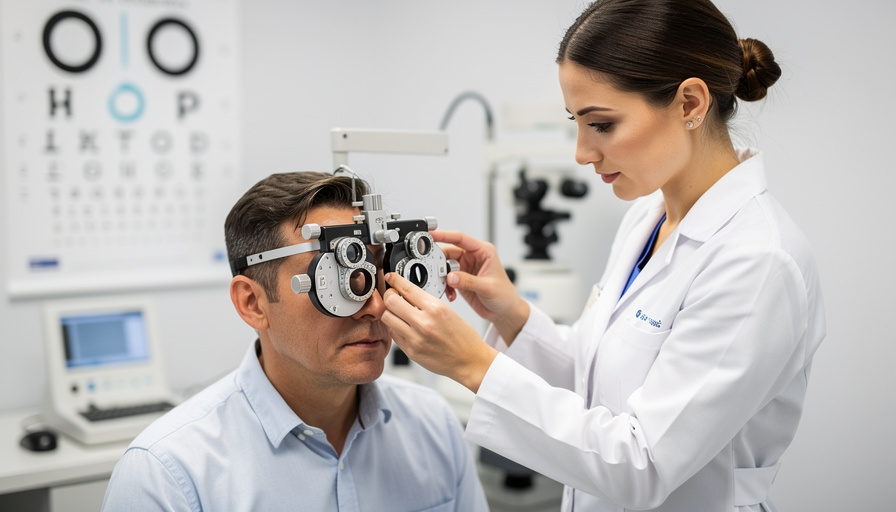
Navigating online health information requires careful judgment, especially when your vision is at stake. While Reddit and other social platforms can introduce you to helpful topics and connect you with others’ experiences, remember that upvotes don’t validate medical accuracy. A post with thousands of upvotes might be engaging or relatable, but it could also contain outdated information, personal anecdotes that don’t apply broadly, or even manipulated content designed to promote products.
Your eyes deserve more than crowdsourced advice. Before acting on any eye health recommendations you find online, take time to verify the information through reputable medical sources and consult with qualified eye care professionals. Whether you’re dealing with dry eyes, considering supplements for vision health, or noticing changes in your sight, a licensed optometrist or ophthalmologist can provide personalized guidance based on your unique needs and medical history.
Think critically about what you read online. Question the source, look for supporting evidence, and recognize when professional evaluation is necessary. Your vision is precious, and protecting it means making informed decisions grounded in science rather than popularity metrics. When it comes to your eye health, professional expertise should always be your primary guide.