Peptide Blends vs. Single Compounds: Researcher Decision Criteria and Which Fits Your Needs

Close-up of peptide research lab glass vials on a stainless bench, with a focused single vial alongside a blurred set of multiple vials to suggest single compounds versus blends.

For most researchers, testing a single peptide first is the better starting point, because a clean, one-variable experiment tells you exactly what caused any result. Blends make sense later, once individual compounds from lab-tested peptides in Canada have a track record and the question shifts to how they behave together. That’s the short answer for anyone trying to make sense of peptide claims, especially the ones that show up in health and eye-care conversations.
Here’s the reasoning. When a researcher tests one compound, any effect can be traced back to it. Mix two, three, or …

What Lab Research on Peptides for Eye Tissue Looks Like Today

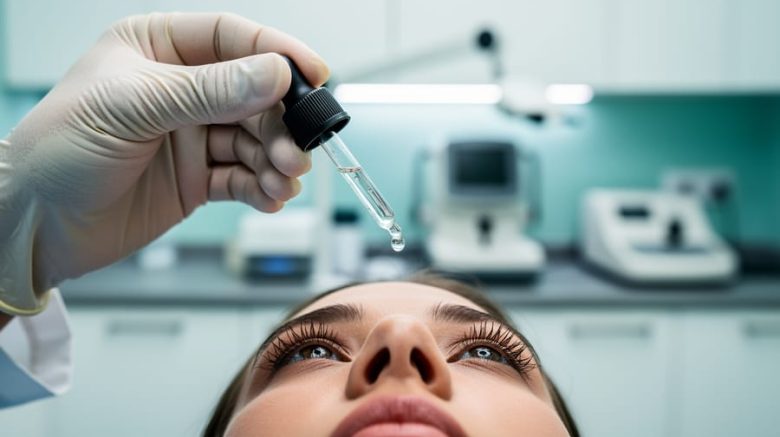
Gloved clinician hands holding an ophthalmic dropper above the eye in a medical clinic exam room

Lab research peptides for eye tissue, such as those from Researched Peptides are short chains of amino acids that scientists study in cells and animals to see whether they can protect, repair, or deliver treatment to parts of the eye. Almost all of this work is still early-stage, and none of it means you can or should try a peptide on your own eyes today.
That distinction matters. Researchers are exploring peptides for conditions like dry eye, corneal injury, retinal disease, and glaucoma, because these small molecules can be designed to do very specific jobs. But a promising result in a …