
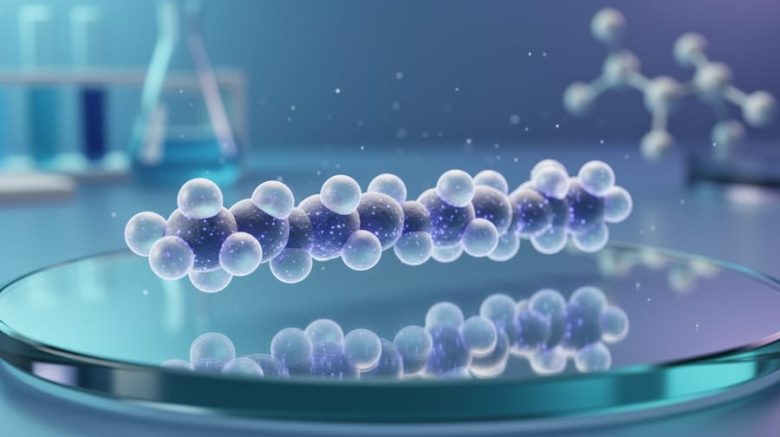
BPC-157 peptide consists of a specific 15-amino acid sequence: Gly-Glu-Pro-Pro-Pro-Gly-Lys-Pro-Ala-Asp-Asp-Ala-Gly-Leu-Val. This synthetic peptide, derived from a protective protein found naturally in human gastric juice, has attracted significant research attention for its regenerative properties and potential therapeutic applications across multiple tissue types, including ocular structures.
Understanding the precise molecular makeup of BPC-157 matters because its unique sequence determines how it interacts with cellular receptors and influences healing processes. Unlike many peptides that break down quickly in the body, this particular arrangement of amino acids gives BPC-157 remarkable stability and bioavailability, allowing it to remain active longer and reach target tissues more effectively.
The sequence contains several proline residues (Pro-Pro-Pro) that create a distinctive structural backbone, contributing to the peptide’s resistance to enzymatic degradation. This stability is one reason researchers have investigated BPC-157 for conditions affecting the eyes, where delicate tissues require precise, sustained therapeutic action without the inflammatory side effects common to other treatments.
Current research in 2026 continues to explore how this specific amino acid arrangement influences angiogenesis (blood vessel formation), collagen production, and tissue repair mechanisms. While studies show promising results for wound healing and tissue protection, it’s essential to recognize that BPC-157 remains under investigation, and clinical applications are still being established through ongoing research trials.
For anyone considering BPC-157 for eye health concerns, understanding its molecular structure provides the foundation for informed conversations with healthcare providers about potential benefits, limitations, and safety considerations.
What Is BPC-157 Peptide?
BPC-157 is a synthetic pentadecapeptide from gastric juice that researchers have isolated and studied for its potential biological properties. To understand what this means, it helps to start with the basics: peptides are simply chains of amino acids, which are the building blocks that make up proteins in your body.
Think of amino acids as individual beads on a string. When you connect a few of these beads together, you create a peptide. BPC-157 consists of exactly 15 amino acids linked in a specific sequence, which is why scientists classify it as a pentadecapeptide (penta meaning five, deca meaning ten). This 15-amino-acid chain was derived from a naturally occurring protective protein found in human gastric juice, the digestive fluid in your stomach.
While your body produces the parent compound naturally, BPC-157 itself is a laboratory-created version that isolates a particular segment of that larger protective protein. Researchers synthesized this specific sequence because it demonstrated remarkable stability and retained certain biological activities they wanted to study more closely.
What makes BPC-157 notable is its gastric origin. The compound comes from a protein that helps protect your stomach lining, which gives context to its stability profile. Unlike many peptides that break down quickly in acidic environments, BPC-157 maintains its structure even in harsh gastric conditions.
The “157” designation is simply a laboratory reference number assigned during research development. Scientists needed a way to distinguish this particular synthetic peptide from other compounds they were studying, so they gave it this identifier. This naming convention is common in peptide research, where hundreds of different sequences might be under investigation simultaneously.
The Amino Acid Sequence of BPC-157

The complete amino acid sequence of BPC-157 is:
Gly-Glu-Pro-Pro-Pro-Gly-Lys-Pro-Ala-Asp-Asp-Ala-Gly-Leu-Val
This 15-amino acid chain represents the standardized sequence used in research worldwide. Each letter represents a specific amino acid, and their exact order is critical to the peptide’s structure and function.
| Position | Abbreviation | Amino Acid Name |
|---|---|---|
| 1 | Gly | Glycine |
| 2 | Glu | Glutamic acid |
| 3, 4, 5, 8 | Pro | Proline |
| 6, 13 | Gly | Glycine |
| 7 | Lys | Lysine |
| 9, 12 | Ala | Alanine |
| 10, 11 | Asp | Aspartic acid |
| 14 | Leu | Leucine |
| 15 | Val | Valine |
The sequence is standardized because it represents a specific fragment isolated from the naturally occurring body protection compound. This isn’t an arbitrary selection, researchers identified this particular 15-amino acid segment as the stable, active portion responsible for the compound’s protective properties.
The order matters tremendously. Think of it like a lock and key: changing even one amino acid in the sequence, or switching the positions of two amino acids, would create an entirely different peptide with different properties. The specific arrangement of BPC-157’s amino acids determines how the molecule folds, what shape it takes, and how it interacts with biological systems.
Notice the four proline residues (positions 3, 4, 5, and 8). Proline is unique among amino acids because it creates kinks and turns in peptide chains. These prolines give BPC-157 a distinctive three-dimensional structure that contributes to its remarkable stability, especially in acidic environments like gastric juice.
When you see BPC-157 referenced in research papers or supplier specifications, this exact sequence should be present. Any variation would technically be a different compound. This standardization allows researchers across different laboratories and countries to study the same molecule, making their findings comparable and reproducible.
Key Chemical and Physical Properties
Molecular Composition
BPC-157 has a molecular formula of C₆₂H₉₈N₁₆O₂₂, which represents the total count of carbon, hydrogen, nitrogen, and oxygen atoms that make up the entire peptide chain. Think of this formula as the chemical inventory list showing exactly what building blocks are present in one complete molecule.
The molecular weight of BPC-157 is approximately 1419 daltons (or grams per mole). To put this in perspective, this measurement indicates the peptide’s relative size compared to other molecules. It’s substantially smaller than typical proteins but larger than simple amino acids. This mid-range size is actually advantageous, it’s large enough to have complex biological activity yet small enough to potentially cross certain biological barriers.
Each of the 15 amino acids in the sequence contributes specific atoms to the overall formula. For example, the three proline residues add rigidity to the structure, while charged amino acids like glutamic acid and lysine contribute to how the peptide interacts with water and biological tissues.
This precise composition remains constant across properly synthesized BPC-157, making it a standardized research compound with consistent molecular characteristics.
Stability Characteristics
BPC-157 stands out from most peptides because it remains structurally intact in environments that would typically break down protein-based molecules. Unlike many therapeutic peptides that degrade rapidly in stomach acid, BPC-157 maintains its sequence and potential biological activity even when exposed to gastric juice with pH levels as low as 1.0 to 2.0.
This exceptional stability extends across a broad pH range, from highly acidic to alkaline conditions. The peptide resists enzymatic breakdown from pepsin and other digestive enzymes that normally fragment protein chains. This characteristic makes BPC-157 particularly interesting to researchers, as most peptides require protective formulations or injection delivery to survive the digestive system.
The stability stems from BPC-157’s specific amino acid arrangement and molecular structure. The sequence includes multiple proline residues, which create rigid points in the peptide chain that resist conformational changes and enzymatic attack. This structural resilience also means BPC-157 remains stable at room temperature for extended periods, unlike many peptides that require refrigeration.
These stability properties explain why researchers can study BPC-157 through various administration routes and why the compound maintains consistency across different experimental conditions.
How BPC-157 Differs from Natural Body Protection Compound
While the natural Body Protection Compound (BPC) exists as a larger protein in human gastric juice, BPC-157 represents a carefully selected fragment of just 15 amino acids. Think of it as researchers identifying and isolating the most active segment from a much longer chain.
The parent compound in gastric juice is considerably larger and more complex, containing numerous amino acid sequences that work together. Scientists studying its protective properties discovered that a specific 15-amino acid segment appeared particularly stable and showed promising biological activity in laboratory settings. This discovery led to the creation of BPC-157 as a synthetic version of that exact sequence.
One crucial difference lies in stability. Natural BPC, like many proteins in the digestive system, can break down under various conditions and environments outside the stomach. BPC-157, however, was specifically designed to maintain structural integrity across a wider range of pH levels and temperatures. This enhanced stability makes it suitable for research applications where consistent molecular structure is essential.
The synthetic nature of BPC-157 also means its composition is standardized. Each batch contains the identical 15-amino acid sequence in the same configuration, whereas natural BPC can vary slightly between individuals and may exist alongside other related compounds. For researchers, this consistency is vital, it ensures that studies examining the peptide’s properties are actually testing the same molecular structure each time.
Researchers chose this particular 15-amino acid fragment because preliminary studies suggested it retained the protective characteristics observed in the larger natural compound while offering practical advantages for laboratory investigation. The specific sequence Gly-Glu-Pro-Pro-Pro-Gly-Lys-Pro-Ala-Asp-Asp-Ala-Gly-Leu-Val proved stable enough to survive conditions that would typically degrade peptides, making it a more practical subject for controlled research than extracting and working with the full natural protein.
Current Research Areas and Potential Applications
Eye Health and Vision Research

Emerging research suggests BPC-157 may have applications beyond gastrointestinal health, including potential benefits for ocular tissues. Early-stage laboratory studies have examined whether the peptide’s tissue-protective properties might extend to eye structures, particularly in corneal healing and retinal cell protection. Some in vitro research indicates BPC-157 could influence vascular growth factors relevant to retinal health, though these findings remain preliminary.
Animal studies have explored BPC-157’s effects on corneal wound healing, with researchers observing accelerated epithelial repair in experimental models. The peptide’s potential to modulate inflammatory pathways and support blood vessel formation has drawn interest in eye health research particularly for conditions involving retinal damage or corneal injuries. However, it’s crucial to understand that these studies represent very early investigational work.
No clinical trials have established BPC-157’s safety or effectiveness for human eye conditions. The transition from laboratory findings to proven therapeutic applications requires extensive research that hasn’t yet occurred. Current evidence comes primarily from cell cultures and animal models, which don’t necessarily predict human outcomes. Anyone with eye health concerns should rely on established, evidence-based treatments and consult qualified ophthalmologists rather than experimental compounds. The promising preliminary data warrants continued scientific investigation, but BPC-157 remains far from being a validated option for vision care.
Understanding Peptide Terminology and Nomenclature
When you encounter peptide research, understanding the terminology makes scientific literature much less intimidating. The name “BPC-157” itself tells you quite a bit: “BPC” stands for Body Protection Compound, while “157” is simply a designation number used by researchers to identify this specific synthetic variant.
The term “pentadecapeptide” breaks down into simple parts. “Penta” means five, “deca” means ten, so together they equal fifteen. “Peptide” refers to a chain of amino acids. Therefore, BPC-157 is a pentadecapeptide because it contains exactly 15 amino acids linked together.
Reading amino acid sequences becomes straightforward once you know the three-letter codes represent individual amino acids. In BPC-157’s sequence (Gly-Glu-Pro-Pro-Pro-Gly-Lys-Pro-Ala-Asp-Asp-Ala-Gly-Leu-Val), each code is an abbreviation: Gly is glycine, Pro is proline, Lys is lysine, and so on. The dashes between codes show the bonds connecting amino acids in a specific order, which you read from left to right.
When you see terms like “synthetic gastric pentadecapeptide,” it simply means researchers created this 15-amino-acid chain in a laboratory based on a compound originally found in stomach secretions. This naming system helps scientists communicate precisely about molecular structures. Understanding these basics lets you evaluate research claims more critically and ask informed questions about composition when reviewing studies or discussing safety precautions with healthcare providers.
Important Safety and Regulatory Considerations

Understanding BPC-157’s regulatory status is essential for anyone researching this compound. Currently, BPC-157 is not approved by the FDA or any major regulatory authority for human medical use. It exists in a category known as “research peptides” or “research chemicals,” meaning it’s legally available for laboratory research and scientific investigation but not as a prescription medication or over-the-counter treatment.
This distinction between research compounds and approved medications matters considerably. Approved drugs undergo rigorous clinical trials involving thousands of participants, detailed safety monitoring, standardized manufacturing processes, and extensive regulatory review before reaching consumers. BPC-157 hasn’t completed this pathway for any medical indication. While preliminary research exists, the compound lacks the comprehensive safety data, dosing guidelines, and quality controls that characterize FDA-approved treatments.
The regulatory landscape varies globally. Some countries classify BPC-157 as a prescription-only substance, others treat it as an unregulated research chemical, and certain jurisdictions have specific restrictions on its sale or use. This inconsistency reflects the compound’s experimental status and ongoing debates about how to classify novel peptides.
For individuals considering BPC-157 after reading research literature, professional medical consultation isn’t just recommended, it’s crucial. A qualified healthcare provider can evaluate your specific health situation, discuss potential risks based on current evidence, consider interactions with existing conditions or medications, and help you make informed decisions. They can also distinguish between legitimate research findings and marketing claims that may overstate the compound’s proven benefits.
Evidence-based decision-making requires recognizing what we know versus what remains uncertain about BPC-157. The existing research, while intriguing, consists primarily of animal studies and limited human data. Extrapolating these findings to real-world therapeutic use involves significant unknowns about safety, optimal dosing, and long-term effects.
Common Questions About BPC-157 Sequence and Description
What does the BPC-157 sequence actually tell us?
The Gly-Glu-Pro-Pro-Pro-Gly-Lys-Pro-Ala-Asp-Asp-Ala-Gly-Leu-Val sequence defines BPC-157’s exact molecular structure and chemical properties. This specific arrangement of 15 amino acids determines how the peptide folds, its stability in different environments, and its potential biological interactions.
Can the amino acid sequence be modified or altered?
Any change to the sequence creates a different compound entirely, not BPC-157. Even swapping one amino acid’s position or replacing it with another would alter the peptide’s structure, stability, and properties, which is why the precise sequence matters for research consistency.
How do manufacturers verify the correct sequence?
Reputable manufacturers use analytical techniques like mass spectrometry and amino acid analysis to confirm the sequence matches the standard BPC-157 composition. These tests identify each amino acid and verify they’re in the correct order.
Is BPC-157 identical across different manufacturers?
The standardized sequence should be identical, but purity levels, synthesis methods, and quality control vary widely between manufacturers. This variation is one of the blind spots to avoid when evaluating peptide sources, since manufacturing differences can affect the final product despite the same sequence.
Understanding these fundamental aspects of BPC-157’s sequence helps you evaluate information more critically. When you encounter research studies or product claims, knowing that the sequence is fixed and standardized allows you to spot potential red flags. If a source suggests modifications or improvements to the basic BPC-157 structure, they’re describing a different compound altogether.
The relationship between sequence and function is direct but complex. The exact order of these 15 amino acids influences how the peptide behaves in biological systems, but the sequence alone doesn’t predict all effects. Research examines how this specific structure might interact with tissues and cellular processes, though many questions remain open.
If you’re reviewing certificates of analysis or third-party testing reports, look for confirmation that the amino acid composition and sequence match the established BPC-157 standard. Reputable testing will verify not just the presence of all 15 amino acids, but their correct arrangement and the absence of contaminants or unexpected compounds.
What You Should Know Before Considering BPC-157
If you’re researching BPC-157, understanding its precise peptide sequence isn’t just academic, it’s essential for evaluating the quality of information you encounter. Products or studies claiming to use BPC-157 should reference the exact 15-amino acid sequence. Any variation means you’re dealing with a different compound entirely, with potentially different properties and effects.
Know that BPC-157 is currently a research-grade peptide without FDA approval for medical treatment. This status affects how you should interpret the information available. Studies in laboratory settings or animal models don’t translate directly to safe or effective human applications. The gap between promising research and proven therapy is substantial and requires rigorous clinical trials that BPC-157 hasn’t yet completed.
When discussing BPC-157 with your healthcare provider, bring specific questions about your individual health situation rather than general claims you’ve read online. A qualified physician can assess whether participation in legitimate clinical trials might be appropriate, or if FDA-approved alternatives better address your needs. This is particularly important for eye health concerns, where unapproved interventions carry risks to your vision.
Be skeptical of sources selling BPC-157 for human consumption or making definitive therapeutic claims. Legitimate peptide research operates within strict regulatory frameworks. Companies or websites bypassing these standards may also cut corners on sequence verification, purity testing, or sterility, critical factors when any substance enters the body.
Your best approach combines informed curiosity with professional guidance. Understanding what BPC-157 is at a molecular level helps you ask better questions and identify credible information, but it doesn’t replace personalized medical advice for your specific health circumstances.
Understanding BPC-157’s precise amino acid sequence and chemical properties gives you a solid foundation for evaluating research and making informed decisions. The 15-amino acid structure, Gly-Glu-Pro-Pro-Pro-Gly-Lys-Pro-Ala-Asp-Asp-Ala-Gly-Leu-Val, isn’t just technical detail. It’s the fundamental blueprint that determines how this peptide behaves, why researchers find it interesting, and what questions remain unanswered.
Peptide research continues to evolve rapidly, particularly in areas like ocular health where scientists are exploring tissue repair and healing mechanisms. While preliminary findings show promise, we’re still in the early stages of understanding how compounds like BPC-157 might support vision health. This makes staying current with credible research essential, while maintaining realistic expectations about what’s proven versus what’s theoretical.
If you’re considering BPC-157 for any health purpose, start with your healthcare provider. They can evaluate your individual situation, discuss evidence-based options, and help you navigate the distinction between research potential and clinical reality. Regular monitoring matters too, maintaining appropriate eye exam frequency ensures any vision concerns are addressed through proven methods while new therapies are still being studied.
Knowledge empowers better decisions. By understanding what BPC-157 actually is at a molecular level, you’re better equipped to assess claims, ask the right questions, and choose approaches backed by science rather than hype. Your vision deserves that careful, informed attention.