
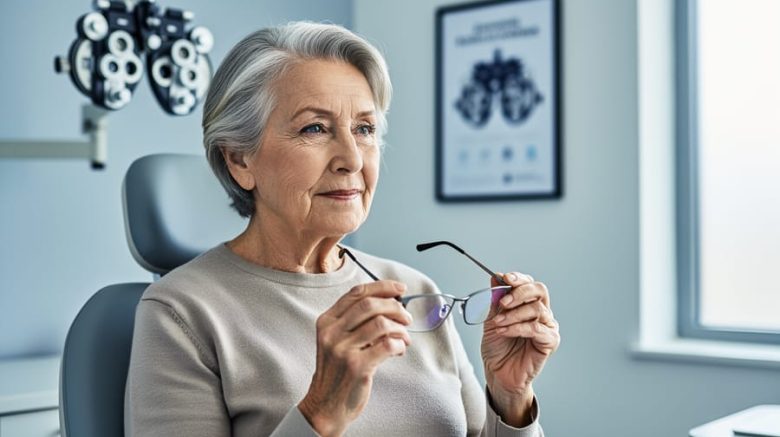
Vision changes affect nearly everyone over 60, and seven conditions account for most age-related eye problems: cataracts, age-related macular degeneration, glaucoma, diabetic retinopathy, dry eye syndrome, floaters and flashes, and presbyopia. Recognizing symptoms early and knowing when to seek care can preserve sight and quality of life.
If you’re caring for an aging parent or experiencing changes in your own vision, understanding these conditions empowers you to act quickly. Each of the seven conditions we’ll explore comes with distinct warning signs, from the cloudy vision of cataracts to the blind spots that signal macular degeneration. Many seniors live with more than one eye condition simultaneously, making regular comprehensive exams essential rather than optional.
The statistics are sobering but manageable: by age 80, more than half of all Americans either have cataracts or have undergone cataract surgery. One in eight people over 60 develops glaucoma. But here’s the good news: most vision loss in older adults is either treatable or preventable when caught early. Treatment options have advanced significantly, offering everything from minimally invasive surgeries to targeted medications that slow disease progression.
This guide breaks down each condition with clear symptom descriptions, explains who faces the highest risk, and outlines the latest treatment approaches as of 2026. You’ll also find a comparison table to help distinguish between similar symptoms and practical prevention strategies that work at any age.
How We Selected These Seven Conditions
We selected these seven conditions using evidence-based eye health metrics that focus on what matters most for elderly adults. Our selection criteria included:
- High prevalence rates in adults over 60, affecting millions of seniors
- Significant impact on daily activities like reading, driving, and maintaining independence
- Availability of proven treatments or management strategies
- Benefit from early detection through regular eye exams
Rather than covering every possible eye condition, we focused on those that elderly adults and their caregivers are most likely to encounter. These seven conditions represent the most pressing concerns in senior eye health, where understanding symptoms and seeking timely care can make a meaningful difference. Some develop gradually over years, while others require urgent attention. Each warrants awareness and proactive monitoring as part of comprehensive vision care.
1. Cataracts: Clouding of the Natural Lens

Cataracts develop when proteins in the eye’s natural lens break down and clump together, creating cloudy areas that block or scatter light. Think of it like looking through a foggy window that gradually becomes harder to see through. This clouding happens naturally as we age, though the pace varies from person to person.
Cataracts are leading causes of vision impairment worldwide, affecting more than half of Americans by age 80. Most people develop them in both eyes, though one typically progresses faster than the other.
The first signs are often subtle. You might notice that colors seem duller or that headlights create halos at night. Reading becomes harder despite brighter lighting, and glare from sunlight or lamps bothers you more than before. Some people experience improved near vision temporarily, a phenomenon called “second sight”, before their vision deteriorates further.
Several factors accelerate cataract development beyond normal aging. Prolonged sun exposure without UV protection, smoking, diabetes, and long-term use of corticosteroid medications all increase risk. Previous eye injuries or inflammation can also speed up the process.
The good news? Cataract surgery ranks among the safest and most successful procedures in medicine. During the outpatient operation, your surgeon removes the clouded lens and replaces it with a clear artificial one. Most patients notice dramatically improved vision within days. Modern lens implants can even correct nearsightedness, farsightedness, or astigmatism, potentially reducing your dependence on glasses.
Success rates exceed 95%, and complications are rare. Many patients describe the transformation as life-changing, suddenly seeing vivid colors again and reading without strain. The procedure typically takes less than 30 minutes per eye, and you’ll recover at home the same day.
2. Age-Related Macular Degeneration (AMD): Loss of Central Vision
Age-related macular degeneration strikes at the heart of your vision, quite literally. AMD is a leading cause of severe vision loss in adults over 60, affecting the macula, the central part of the retina responsible for sharp, detailed vision you need for reading, recognizing faces, and driving.
The condition comes in two distinct forms. Dry AMD, accounting for about 85 to 90 percent of cases, develops gradually as the macular tissue thins with age and small deposits called drusen accumulate. Most people with dry AMD experience mild to moderate vision loss that progresses slowly over years. Wet AMD, though less common, is far more aggressive. Abnormal blood vessels grow beneath the retina, leaking fluid and blood that can cause rapid, severe vision damage within weeks or months if left untreated.
The hallmark symptom is distorted central vision. Straight lines appear wavy, a doorframe might look bent, or there’s a blurry spot dead center in your field of view. Colors may seem less vibrant, and you might struggle to see fine details even with your glasses on. Peripheral vision typically remains intact, which means you won’t go completely blind from AMD, but you can lose the ability to read, drive, or see faces clearly.
Several factors raise your risk significantly. Genetics play a major role; having a family member with AMD doubles or triples your chances. Smoking is the single most controllable risk factor, potentially doubling your risk. A diet low in leafy greens and fish, along with cardiovascular disease and prolonged unprotected sun exposure, also contribute.
Treatment has transformed dramatically in recent years. For wet AMD, anti-VEGF injections administered directly into the eye can stop abnormal vessel growth and often improve vision. While this sounds daunting, the procedure is quick and relatively painless. These injections typically need to be repeated every four to eight weeks, at least initially. For dry AMD, specific high-dose vitamin and mineral supplements (the AREDS2 formula) can slow progression in intermediate and advanced cases, though they won’t cure the condition or restore lost vision. Lifestyle changes matter too: quit smoking, eat plenty of dark leafy greens and omega-3 rich fish, protect your eyes from UV light, and maintain healthy blood pressure and cholesterol levels.
3. Glaucoma: The Silent Thief of Sight
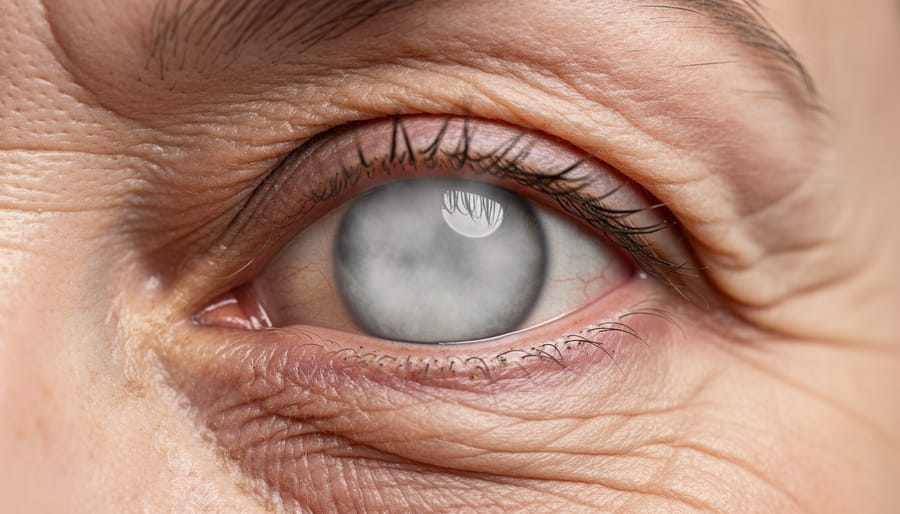
Glaucoma affects more than 3 million Americans, with the vast majority unaware they have it until significant vision loss occurs. This condition damages the optic nerve, typically through increased pressure inside the eye, and without treatment, it can lead to irreversible blindness.
The “silent thief” nickname comes from glaucoma’s sneaky progression. Most people with the common form experience no pain, no obvious symptoms, and no warning signs until their peripheral vision begins to disappear. By then, permanent damage has already occurred. You might not notice the gradual narrowing of your visual field until you’ve lost substantial side vision, because your brain compensates remarkably well for these slow changes.
The two main types affect seniors differently. Open-angle glaucoma, the most prevalent form, develops gradually over years as drainage channels in the eye become clogged. Angle-closure glaucoma, though less common, presents more dramatically with sudden eye pain, headaches, blurred vision, and halos around lights. This version constitutes a medical emergency requiring immediate treatment.
After age 60, your risk increases substantially, particularly if you have a family history of glaucoma, are of African American or Hispanic descent, have diabetes, or are severely nearsighted. This makes regular screening through comprehensive eye exams absolutely essential. Your eye doctor can detect early pressure changes and optic nerve damage before you notice any symptoms.
Treatment focuses on lowering eye pressure to prevent further damage. Most people start with prescription eye drops used daily. When drops prove insufficient, laser procedures can improve drainage, and surgical options create new drainage pathways. While lost vision cannot be restored, early detection and consistent treatment preserve the sight you have, allowing you to maintain your independence and quality of life well into your senior years.
4. Diabetic Retinopathy: When Diabetes Affects Your Eyes
Diabetic retinopathy develops when consistently high blood sugar levels damage the tiny blood vessels in your retina, the light-sensitive tissue at the back of your eye. If you have diabetes, whether type 1 or type 2, this condition poses a real threat to your vision, particularly as you age.
The damage happens gradually. In the early stage, called non-proliferative diabetic retinopathy, blood vessels weaken and may leak fluid or blood into the retina. You might notice no symptoms at all during this phase, which is why regular dilated eye exams are critical. As the condition progresses, these leaky vessels can cause swelling in the macula, the central part of your retina responsible for sharp, detailed vision. This swelling, known as diabetic macular edema, blurs your central vision and makes everyday tasks like reading or driving difficult.
In advanced stages, the condition becomes proliferative diabetic retinopathy. Your eye attempts to compensate for damaged vessels by growing new ones, but these fragile vessels are abnormal. They bleed easily into the clear gel filling your eye, causing sudden vision loss or floaters. Scar tissue can form and pull on your retina, potentially causing detachment.
The good news: you have control over prevention. Maintaining target blood sugar levels dramatically reduces your risk. Studies show that keeping your A1C below 7% cuts your chances of developing diabetic retinopathy by 76%. Managing blood pressure and cholesterol matters too.
Treatment options have improved significantly. Laser therapy can seal leaking vessels or prevent abnormal growth. Anti-VEGF injections reduce swelling and slow progression. For severe bleeding, vitrectomy surgery removes blood and scar tissue.
The key is catching changes early, before permanent damage occurs. If you have diabetes, schedule comprehensive eye exams at least annually, more frequently if your doctor detects early signs.
5. Dry Eye Disease: More Than Just Discomfort

Dry eye becomes significantly more common after age 65, affecting nearly half of seniors to some degree. While many people dismiss it as a minor annoyance, chronic dry eye can seriously interfere with reading, driving, and other daily activities that require clear, comfortable vision.
As we age, our tear glands simply produce fewer tears. Hormonal changes, particularly in women after menopause, compound this problem. Add in common medications, blood pressure pills, antihistamines, antidepressants, and sleep aids all reduce tear production, and you’ve got a recipe for persistent discomfort.
The symptoms go well beyond feeling dry. Many seniors experience burning or stinging sensations, grittiness as if sand is in their eyes, redness, and blurred vision that clears temporarily with blinking. Paradoxically, your eyes might water excessively. This happens because poor-quality tears trigger a reflex that floods your eyes with watery tears that don’t actually lubricate effectively.
Environmental factors make things worse. Indoor heating, air conditioning, and wind all accelerate tear evaporation. Extended screen time reduces your blink rate, leaving eyes exposed longer between blinks.
Treatment starts with preservative-free artificial tears used regularly throughout the day, not just when eyes feel dry. Warm compresses and gentle eyelid cleaning help if oil glands in your eyelids aren’t functioning properly. Prescription eye drops like cyclosporine or lifitegrast reduce inflammation and increase natural tear production, though they take weeks to show full effect.
Your eye doctor might recommend punctal plugs, tiny inserts that block tear drainage to keep moisture on your eyes longer. Omega-3 supplements, increasing humidity at home, and wearing wraparound sunglasses outdoors can all help. For those needing vision correction specialized contact lenses designed for dry eyes are now available.
6. Presbyopia: The Need for Reading Glasses
If you’ve noticed yourself holding your phone or a menu farther away to read it clearly, you’re experiencing presbyopia, a condition that affects virtually everyone as they age. Unlike some eye conditions that strike only certain people, presbyopia is a universal part of aging that typically begins in the early to mid-40s and continues progressing through the senior years.
The cause is straightforward: the natural lens inside your eye gradually loses its flexibility. When you’re young, this lens can change shape easily, allowing you to focus on objects at varying distances. But over time, the lens hardens and becomes less elastic, making it increasingly difficult to focus on close-up tasks like reading, threading a needle, or checking your watch. By age 60, nearly everyone has some degree of presbyopia that requires correction.
The good news? Presbyopia is easily corrected with several effective options. Traditional reading glasses remain the simplest solution for occasional near tasks. Bifocals provide distinct zones for distance and near vision, though they require adjustment to the visible line. Progressive lenses offer a more seamless transition between distances without lines, making them popular among seniors who want one pair of glasses for all activities. Multifocal contact lenses are available for those who prefer not to wear glasses, and monovision, where one eye is corrected for distance and the other for near, works well for some people.
Your eye doctor can help you choose the correction method that best fits your lifestyle and visual needs.
7. Retinal Detachment: A Medical Emergency
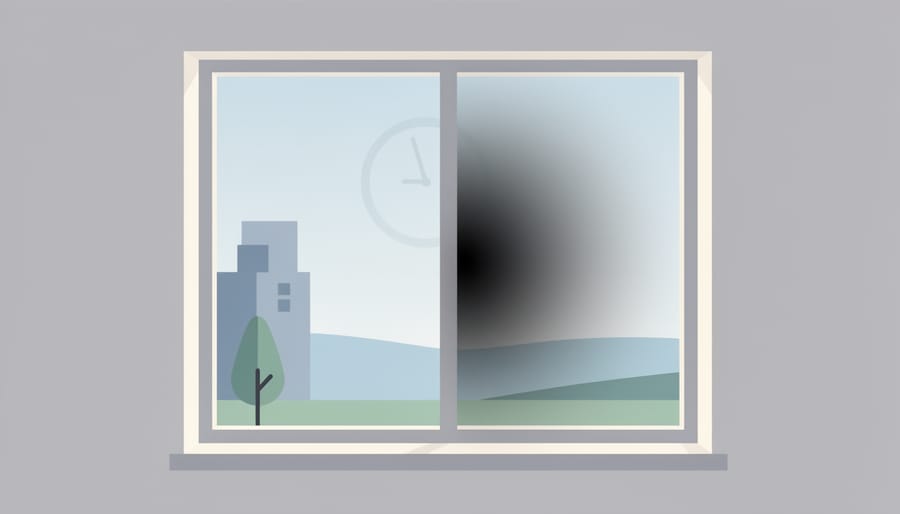
Retinal detachment occurs when the thin layer of tissue at the back of your eye pulls away from its normal position, cutting off the blood supply to light-sensing cells. While less common than other age-related eye conditions, this medical emergency becomes more likely as you get older, particularly if you’ve had cataract surgery or are severely nearsighted.
The warning signs are distinctive and demand immediate action. You might suddenly see numerous new floaters that look like specks, cobwebs, or small shadows drifting across your vision. Flashes of light, especially in your peripheral vision, are another red flag. The most alarming symptom is a shadow or dark curtain that sweeps across your field of vision, gradually blocking your sight from one side.
Several factors increase your risk beyond age alone. Severe nearsightedness stretches the retina, making it more fragile. Previous cataract surgery, even when successful, slightly raises your risk. A family history of retinal detachment, previous eye trauma, or a detachment in your other eye also put you in a higher-risk category.
Time is critical because detached retinal cells quickly lose their ability to function. Treatment involves surgery to reattach the retina and seal any tears or holes. Procedures include laser therapy, freezing treatment (cryopexy), or more involved surgery using gas bubbles or silicone bands to hold the retina in place. Success rates are high when treatment happens quickly, often restoring much of your visual performance though recovery takes several weeks and may require specific head positioning.
Comparing These Conditions at a Glance
To help you quickly compare these seven conditions, here’s what sets each apart. Cataracts typically appear after 60, causing cloudy and blurred vision that’s highly reversible through surgery. Age-related macular degeneration also emerges around 60 or later, creating distorted central vision that’s manageable but not reversible, requiring prompt treatment to slow progression. Glaucoma develops gradually after 40, often without symptoms until vision loss occurs, making it manageable but irreversible and requiring ongoing treatment.
Diabetic retinopathy affects diabetics at any age, causing spotty or blurred vision that’s partially reversible with blood sugar control and timely intervention. Dry eye becomes more common after 50, producing burning and irritation that’s highly manageable through various treatments. Presbyopia hits nearly everyone around 40-45, making close-up reading difficult but easily corrected with reading glasses options and other solutions. Retinal detachment can occur at any age but increases with age, causing sudden floaters and flashes that demand immediate emergency care to prevent permanent vision loss.
Protecting Your Vision: Prevention and Early Detection
While many age-related eye conditions can’t be entirely prevented, you can significantly reduce your risk and catch problems early when they’re most treatable. The foundation of eye health in your senior years starts with consistent professional care.
Schedule comprehensive eye exams annually once you reach 60, even if your vision seems fine. These exams detect conditions like glaucoma and early AMD before you notice symptoms. If you have diabetes, high blood pressure, or a family history of eye disease, your doctor may recommend more frequent visits.
Beyond regular check-ups, several lifestyle choices directly impact your eye health:
- Wear UV-blocking sunglasses outdoors year-round to reduce cataract and AMD risk
- Eat leafy greens, fish rich in omega-3s, and colorful vegetables that provide lutein and zeaxanthin
- Quit smoking, which doubles your risk for cataracts and significantly increases AMD likelihood
- Manage chronic conditions like diabetes and hypertension through medication adherence and lifestyle changes
- Stay physically active to improve circulation and support overall eye health
Managing underlying health conditions is especially important. Keeping blood sugar and blood pressure controlled protects the delicate blood vessels in your retina and preserves hand-eye coordination that declining vision can compromise.
Know when to seek immediate care. Sudden vision loss, new floaters or flashes, eye pain, or a curtain-like shadow requires same-day evaluation. These symptoms may signal retinal detachment or other emergencies where hours matter. For gradual changes like increased glare or difficulty reading, schedule a routine appointment within a few weeks.
Your Questions Answered
How often should I get my eyes examined after age 65?
Most eye care professionals recommend annual comprehensive eye exams for adults 65 and older, even if you’re not experiencing vision problems. If you have diabetes, glaucoma, or other eye conditions, your doctor may want to see you more frequently, sometimes every six months.
Will I definitely develop cataracts if I live long enough?
While cataracts are extremely common, affecting more than half of Americans by age 80, not everyone develops them to the point of needing treatment. Some people have very mild cataracts that never significantly affect their vision or daily activities.
Are these eye conditions hereditary?
Genetics play a role in several conditions, particularly glaucoma and macular degeneration. If you have close relatives with these conditions, you’re at higher risk and should mention this family history during your eye exams so your doctor can monitor you more carefully.
What happens during a comprehensive eye exam?
Beyond reading an eye chart, a thorough exam includes pupil dilation, pressure measurement to check for glaucoma, retinal examination to look for macular degeneration or diabetic changes, and assessment of your lens for cataracts. Plan for 45 minutes to an hour, and bring sunglasses since your eyes will be light-sensitive afterward.
How do I know if vision changes are just normal aging?
Needing reading glasses around middle age is normal, but sudden changes, like a rapid decline in vision, new floaters, flashes of light, or distorted straight lines, warrant immediate evaluation. When in doubt, call your eye doctor rather than waiting to see if it resolves.
These questions reflect concerns many seniors and their families share. The reassuring news is that most worries can be addressed through simple preventive care and open communication with your eye doctor, who can distinguish between expected age-related changes and conditions requiring intervention.
Key Points to Remember
Understanding common eye conditions puts you in control of your vision health as you age. While cataracts, AMD, glaucoma and other conditions affect millions of seniors, they don’t have to rob you of independence or quality of life.
The conditions covered in this article share several important characteristics. Most develop gradually, often without obvious symptoms in early stages. This makes regular comprehensive eye exams your best defense, particularly after age 60 when risk increases significantly. What might seem like normal aging could actually be a treatable condition.
Modern medicine offers more options than ever before. Cataract surgery takes minutes and transforms vision. Anti-VEGF injections slow or halt AMD progression. Glaucoma medications preserve optic nerve function. Even dry eye has multiple effective management strategies. Treatment success depends heavily on catching problems early.
Your overall health directly impacts your eye health. Managing diabetes prevents retinopathy. Controlling blood pressure protects delicate blood vessels in your eyes. Not smoking reduces AMD and cataract risk. Eating leafy greens and omega-3 rich fish supports retinal health. UV protection prevents cumulative damage.
Know the warning signs that demand immediate attention: sudden vision changes, new floaters or flashes, shadow or curtain across your visual field, or severe eye pain. These symptoms warrant same-day evaluation, not waiting for your next scheduled appointment.
Understanding the common eye conditions that affect elderly adults is the first step toward protecting your vision and independence. While aging brings natural changes to your eyes, vision loss isn’t an inevitable part of getting older. Many of these conditions, from cataracts to AMD, respond well to treatment when caught early.
If you haven’t had a comprehensive eye exam recently, now’s the time to schedule one. Regular checkups become your best defense as you age, catching problems before they impact your daily life. And if you’re caring for elderly parents or loved ones, share what you’ve learned here. Ask about their last eye exam, watch for the warning signs we’ve covered, and help them get the care they need.
Your eyes have served you well throughout your life. With the right knowledge and proactive care, they can continue to do so for years to come.