
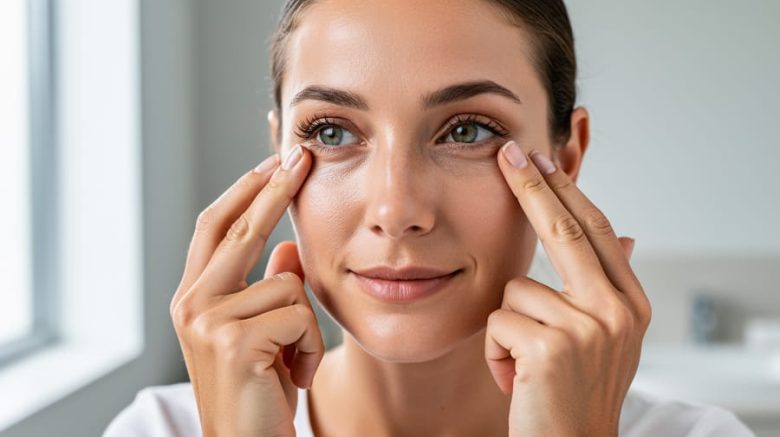
Under eye conditions are physical changes or abnormalities affecting the delicate skin and tissue beneath the eyes, ranging from common cosmetic concerns like dark circles and puffiness to medical issues such as infections, allergies, and structural problems. This area is particularly vulnerable because the skin here is thinner than anywhere else on the body, with fewer oil glands and less collagen support, making it susceptible to visible changes from aging, lifestyle factors, circulation issues, and underlying health conditions.
Most people will experience at least one under eye concern during their lifetime, whether temporary puffiness after a poor night’s sleep or persistent dark circles that run in the family. While many under eye conditions are harmless and purely aesthetic, others signal allergies, infections, thyroid disorders, or kidney problems that require medical attention. Knowing the difference matters.
This guide explains what causes under eye conditions to develop, breaks down the most common types you’re likely to encounter, and provides expert guidance on when home remedies suffice and when professional evaluation becomes necessary. You’ll learn to recognize warning signs that distinguish benign cosmetic issues from symptoms requiring a doctor’s care, empowering you to make informed decisions about your eye health and appearance.
What Under Eye Conditions Are
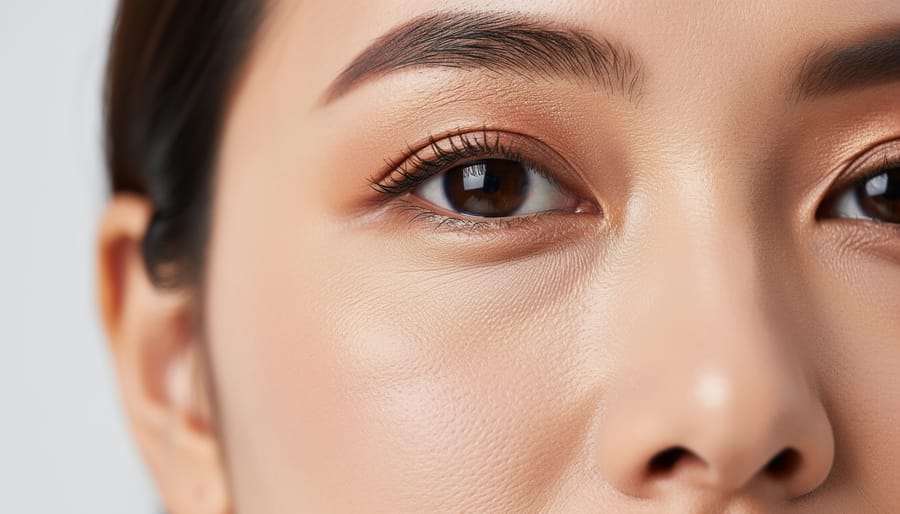
Under eye conditions encompass a range of concerns affecting the skin, tissue, and structures beneath your eyes. This category includes everything from temporary puffiness and dark circles to more persistent issues like hollowing, wrinkles, and small cysts. While these conditions vary widely in appearance and cause, they share a common location in one of the most delicate areas of your face.
The under eye region has several unique anatomical features that make it particularly vulnerable. The skin here measures approximately 0.5 millimeters thick, roughly four times thinner than skin on your cheeks or forehead. This thinness means that underlying structures like blood vessels, muscles, and fat pads become more visible, contributing to the appearance of various conditions. Additionally, the area contains minimal sebaceous glands, which produce less natural oil and leave the skin more prone to dryness and fine lines.
- Periorbital Area
- The medical term for the region surrounding the eye socket, including the under eye zone where most visible concerns appear.
- Tear Trough
- The natural groove running from the inner corner of the eye diagonally across the cheek, which becomes more pronounced with age and volume loss.
- Fat Pads
- Cushions of fatty tissue beneath the eye that can shift, protrude, or diminish over time, creating bags or hollowing.
- Periorbital Hyperpigmentation
- The medical term for darkening of the skin around the eyes, commonly known as dark circles.
The constant movement from blinking and facial expressions, combined with exposure to environmental factors, places significant stress on this thin, delicate tissue. This explains why under eye conditions often develop earlier and appear more prominent than similar concerns elsewhere on your face.
How Under Eye Conditions Develop
The Role of Skin Structure and Aging
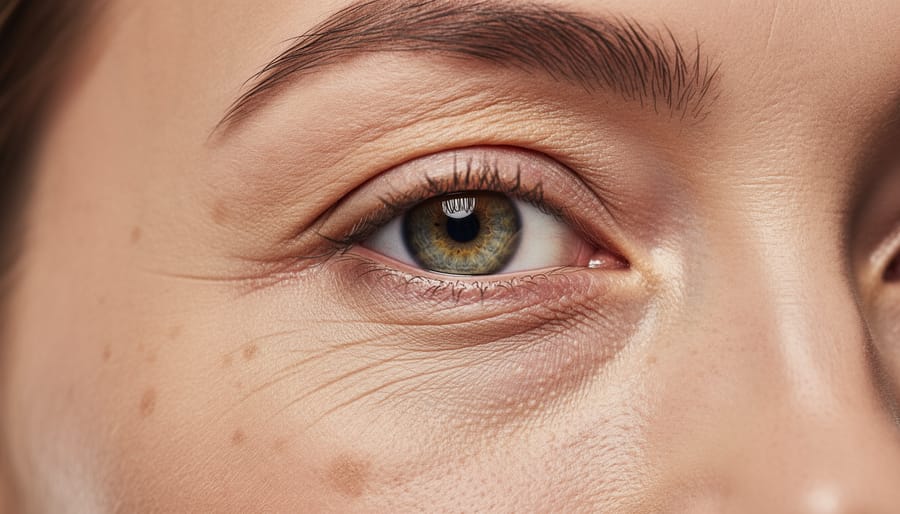
The under eye area features skin that’s considerably thinner than the rest of the face, often just 0.5 millimeters thick compared to 2 millimeters elsewhere. This delicate tissue contains fewer oil glands and minimal fat padding, making it especially vulnerable to visible changes over time.
As we age, the dermis naturally produces less collagen and elastin, the structural proteins that keep skin firm and resilient. This depletion begins in our mid-twenties and accelerates through our thirties and forties. When collagen fibers break down beneath the eyes, the already-thin skin loses its supportive scaffold, becoming more translucent and prone to wrinkling. Blood vessels and underlying structures that were once concealed now show through more readily, creating the appearance of darkness or shadowing.
Simultaneously, the orbital fat pads that cushion the eye socket begin to shift. These pads, held in place by connective tissue membranes, can herniate forward as supporting structures weaken, creating puffiness or bags. In other areas, fat volume diminishes entirely, causing hollowing along the tear trough, the groove between the lower eyelid and cheek. This loss of volume casts shadows that intensify the appearance of circles.
The combined effect of skin thinning, collagen depletion, and fat redistribution explains why under eye changes with age become more pronounced. Even individuals without prior concerns often notice these shifts becoming visible in their thirties, with progression varying based on genetics, sun exposure, and lifestyle factors.
Circulatory and Fluid Dynamics
The under eye region’s network of tiny blood vessels shows through the thin skin more readily than elsewhere on the face. When blood flow slows or pools, the bluish tint of deoxygenated blood becomes visible, creating a shadowed appearance. The area’s capillary walls are particularly delicate and can leak small amounts of blood, leading to discoloration that appears purple or brown.
Lymphatic drainage plays an equally important role in under eye appearance. The lymphatic system removes excess fluid and waste from tissues, but this network functions less efficiently around the eyes during sleep when we lie horizontal. Fluid accumulates overnight, causing temporary puffiness that typically resolves within a few hours of waking. When lymphatic drainage becomes chronically impaired due to age, allergies, or sinus congestion, persistent swelling develops as fluid retention increases.
Pigmentation and Melanin Factors
Melanin, the pigment responsible for skin color, behaves differently in the thin under-eye skin compared to other facial areas. When melanocytes (pigment-producing cells) become overactive due to sun exposure, inflammation, or hormonal changes, they deposit excess melanin in this delicate region, creating visible dark circles. The under-eye area’s transparency makes this hyperpigmentation particularly noticeable.
Genetic factors strongly influence melanin distribution patterns. People with darker skin tones naturally have more active melanocytes and often experience periorbital hyperpigmentation even without environmental triggers. Post-inflammatory hyperpigmentation can also occur after rubbing, allergic reactions, or eczema, leaving persistent dark patches that linger long after the initial irritation subsides. Unlike vascular dark circles caused by visible blood vessels, melanin-based discoloration appears brownish rather than bluish and doesn’t lighten with gentle skin stretching.
Common Types of Under Eye Conditions
Dark Circles
Dark circles, or periorbital hyperpigmentation, result from multiple pathogenetic mechanisms rather than a single cause. The most common culprits include visible blood vessels showing through the thin under eye skin, excess melanin production triggered by genetics or sun exposure, and shadowing from structural hollowing. In lighter skin tones, dark circles often appear blue or purple due to underlying vasculature, while deeper skin tones typically show brown or grey pigmentation. Chronic rubbing, allergies, and inflammation can worsen both types by increasing blood flow and stimulating melanin production. The periorbital area’s exceptionally thin epidermis, sometimes half the thickness of facial skin elsewhere, makes these underlying factors far more visible than they would be in other locations.

Under Eye Bags and Puffiness
Temporary puffiness differs fundamentally from true under eye bags. Morning swelling typically results from fluid accumulation during sleep, when you’re horizontal, lymphatic drainage slows and fluid pools in the loose tissue beneath your eyes. This resolves within hours as gravity aids drainage once you’re upright.
Permanent bags, however, stem from fat pad herniation, the weakening of the orbital septum (the membrane holding fat around your eyeball) allows fat to bulge forward. This creates a persistent puffy appearance that doesn’t flatten with time or elevation. Age-related collagen breakdown in the septum causes this structural change, though genetics determine when it occurs. Some people develop herniated fat pads in their thirties, others never do.
You can distinguish them simply: if the puffiness disappears by midday, it’s fluid retention. If it remains constant regardless of sleep position or time of day, it’s structural.
Tear Trough Hollowing
Tear trough hollowing creates a curved depression running from the inner corner of your eye outward along the lower orbital rim. This groove appears when the fat pad beneath your eye shifts downward with age and volume depletes from the midface, leaving the bone structure more visible. The resulting sunken shadow from tear trough makes you look tired even when well-rested, because the contrast between the depressed trough and the fuller cheek below emphasizes the hollowness. Genetics determine how pronounced your orbital rim is and when volume loss becomes noticeable, though most people see deepening after age 35 as facial fat compartments thin and ligaments loosen their support structure.
Fine Lines and Wrinkles
Fine lines and wrinkles around the eyes develop through repeated facial expressions, squinting, smiling, frowning, combined with age-related breakdown of collagen and elastin in the skin. Unlike common age-related eye conditions that affect vision, these creases are purely cosmetic but often appear earlier in the under eye area due to exceptionally thin skin with minimal oil glands. Sun exposure accelerates their formation by damaging supportive skin fibers, while dehydration makes them more pronounced. Dynamic wrinkles emerge during expressions and eventually become static lines visible at rest, particularly crow’s feet radiating from the outer corners and horizontal creases beneath the lower lash line.
Milia
Milia are tiny, white or yellowish bumps that form when dead skin cells become trapped beneath the skin’s surface instead of shedding naturally. These small cysts, typically 1-2 millimeters in diameter, commonly cluster around the eyes because the skin there is thinner and has fewer oil glands to help natural exfoliation. Unlike pimples, milia have no opening and can’t be squeezed out. They’re completely harmless and painless, though cosmetically bothersome to some people. Primary milia often appear spontaneously, while secondary milia can develop after skin trauma or sun damage. They’re particularly common in newborns but can affect adults at any age.
Xanthelasma
Xanthelasma appears as soft, yellowish plaques on the eyelids, typically near the inner corners. These deposits consist of cholesterol-laden cells that accumulate beneath the skin’s surface. While they don’t affect vision or cause discomfort, they often signal elevated cholesterol levels or lipid metabolism disorders. Nearly half of people with xanthelasma have abnormal blood lipid profiles. The deposits may grow slowly over time and rarely disappear without treatment. Their presence warrants a lipid panel to assess cardiovascular risk, making them more than just a cosmetic concern.
When Under Eye Conditions Indicate Health Issues
While many under eye conditions stem from cosmetic or age-related factors, certain changes can signal underlying health problems that warrant medical attention.
Sudden, persistent swelling around both eyes, especially when accompanied by swelling in the hands or feet, may indicate kidney dysfunction. The kidneys regulate fluid balance, and when compromised, fluid accumulates in tissues with thin skin, like the under eye area. If puffiness worsens in the morning and doesn’t resolve after a few hours, or if you notice changes in urination patterns, consult your doctor.
Thyroid disorders commonly manifest around the eyes. Hyperthyroidism (overactive thyroid) can cause bulging eyes, prominent puffiness, and a staring appearance. Hypothyroidism (underactive thyroid) often produces persistent swelling, drooping eyelids, and loss of the outer third of eyebrows. If under eye changes coincide with unexplained weight fluctuations, fatigue, or temperature sensitivity, request thyroid function tests.
Allergic reactions produce bilateral swelling, redness, and itching. Seasonal allergies, food sensitivities, or contact with irritants trigger histamine release, causing blood vessels to leak fluid into surrounding tissue. Unlike other conditions, allergic swelling typically appears suddenly and affects both eyes equally.
Dermatological conditions like eczema or contact dermatitis create red, scaly, itchy patches under the eyes. Rosacea can extend to the eye area, causing inflammation and visible blood vessels. These require dermatological assessment for proper diagnosis and treatment.
Anemia reduces oxygen delivery to tissues, often producing dark, bluish-purple circles that don’t respond to topical treatments. When combined with fatigue, weakness, or pale skin elsewhere, blood work can identify iron deficiency or other causes.
Unilateral swelling, affecting only one eye, demands immediate evaluation. This pattern suggests infection, blocked tear ducts, or vascular issues rather than systemic conditions. Any under eye changes accompanied by vision problems, pain, or discharge require prompt professional care.
Applications of Under Eye Condition Knowledge
Preventive Measures and Daily Care
Understanding how under eye conditions develop allows you to take specific steps that address root causes rather than merely treating symptoms after they appear.
Start with sun protection. UV exposure accelerates collagen breakdown and triggers melanin production, both major contributors to under eye aging and discoloration. Apply a mineral sunscreen or SPF eye cream daily, even indoors near windows.
Prioritize sleep quality and head elevation. Poor sleep disrupts fluid drainage and increases inflammation, while lying flat allows fluid to pool beneath your eyes overnight. Aim for seven to nine hours on a slightly elevated pillow.
Stay hydrated and limit sodium intake, particularly in the evening. Dehydration concentrates blood beneath thin under eye skin, darkening its appearance, while excess salt promotes fluid retention that creates puffiness.
Use gentle skincare techniques. The under eye area bruises easily; harsh rubbing damages capillaries and stretches delicate skin. Pat products in with your ring finger using minimal pressure.
Manage allergies promptly. Chronic rubbing and inflammation from untreated allergies break down skin structure and worsen pigmentation. Address triggers and consider antihistamines when needed.
Selecting Appropriate Treatments
Identifying the specific type of under eye condition you’re experiencing directly shapes which treatments will deliver results. Dark circles caused by visible blood vessels respond well to vitamin K creams and laser therapy, while pigmentation-driven darkness requires brightening agents like vitamin C, kojic acid, or hydroquinone. Puffy bags from fluid retention benefit from cold compresses, elevated sleeping positions, and caffeine-based eye creams that temporarily tighten skin, whereas permanent fat pad herniation typically needs surgical blepharoplasty for lasting correction.
Tear trough hollowing often requires volumizing approaches, hyaluronic acid fillers administered by qualified practitioners can restore lost volume and reduce shadowing that topical products cannot address. Fine lines respond to retinoids, peptides, and consistent sun protection, while milia need professional extraction since at-home attempts risk scarring the delicate periorbital skin.
When selecting treatments, match the intervention intensity to condition severity and consider whether changes affect vision health markers or purely cosmetic appearance. Start with conservative at-home options for mild concerns, quality eye creams, lifestyle adjustments, proper sleep, then escalate to professional treatments like chemical peels, microneedling, or injectable procedures if initial efforts don’t produce desired improvements after consistent use over eight to twelve weeks.
Expert Guidance on Managing Under Eye Conditions
Professional evaluation is essential when under eye conditions persist, worsen rapidly, or appear alongside other symptoms. Dr. Sarah Chen, board-certified ophthalmologist, recommends consulting an eye specialist if you experience sudden swelling, pain, vision changes, or asymmetric puffiness affecting only one eye. These signs may indicate infection, inflammation, or systemic health issues requiring immediate attention.
Dermatologists emphasize that accurate diagnosis precedes effective treatment. What appears as simple dark circles might stem from different causes, hyperpigmentation responds to brightening agents containing vitamin C or niacinamide, while vascular darkening benefits from caffeine-based products or laser therapy. Dr. Marcus Thompson, a dermatologist specializing in periorbital concerns, notes that patients often misidentify their condition type, leading to ineffective self-treatment.
For persistent bags or hollowing, ophthalmologists may refer patients to oculoplastic surgeons who specialize in eyelid and periorbital structures. Non-surgical options include hyaluronic acid fillers for tear trough correction, though this requires precise technique to avoid complications like the Tyndall effect or vascular compromise.
Evidence-based approaches start conservatively. Experts recommend addressing modifiable factors first: adequate sleep, allergy management, reduced sodium intake, and sun protection with SPF 30 or higher. Prescription retinoids can improve skin texture and stimulate collagen, but must be used cautiously near the eyes under professional guidance. When medical conditions like thyroid dysfunction or kidney disease contribute to under eye changes, treating the underlying disorder becomes the primary focus.
How Under Eye Conditions Works
Under eye conditions develop through an interconnected chain of biological events that start beneath the skin’s surface. The process begins with your body’s natural aging cascade: collagen and elastin fibers break down faster than they regenerate, causing the already-thin under eye skin to lose structural support. Meanwhile, fat pads that normally cushion the eye socket either migrate forward (creating bags) or shrink back (creating hollows), changing the contour of the area.
Simultaneously, your circulatory system plays a key role. Blood vessels beneath the transparent skin can dilate or become more visible, contributing to dark circles, while sluggish lymphatic drainage allows fluid to accumulate overnight. This creates the puffiness you notice in the morning that often diminishes throughout the day as gravity and movement help drain excess fluid.
Pigmentation issues arise from a different mechanism: melanocytes respond to sun exposure, inflammation, or hormonal changes by depositing excess melanin in the under eye area. This creates persistent discoloration that doesn’t fluctuate with sleep or hydration like vascular dark circles do. When multiple mechanisms occur together, thinning skin, visible vessels, and hyperpigmentation, the compounded effect becomes more pronounced, which is why under eye concerns often worsen with age and may eventually require vision correction options if they begin affecting sight or warrant evaluation through visual performance testing.
Frequently Asked Questions
Are dark circles and under eye bags permanent conditions? Not always. Many under eye conditions like temporary puffiness or dark circles caused by lifestyle factors (lack of sleep, dehydration, allergies) can improve with targeted changes or treatment. However, structural issues like fat pad herniation or significant collagen loss may require professional intervention for meaningful improvement.
Are dark circles permanent?
Dark circles caused by lifestyle factors, allergies, or temporary blood vessel dilation can often be reduced through consistent care, better sleep, and addressing underlying triggers. However, dark circles from hereditary pigmentation or significant skin thinning may persist without professional treatment.
Can allergies cause under eye bags?
Yes, allergies frequently cause temporary puffiness and swelling beneath the eyes through inflammation and fluid retention. Treating the underlying allergic response typically resolves this type of swelling within days.
At what age do under eye conditions typically start?
Fine lines may appear in the late twenties to early thirties, while dark circles can affect people at any age depending on genetics and lifestyle. More pronounced bags and hollowing typically develop in the forties and beyond as collagen diminishes and fat repositions.
How can I tell if my under eye condition needs medical attention?
Sudden swelling, pain, vision changes, or rapid onset of new symptoms warrant immediate professional evaluation. Persistent changes despite lifestyle modifications, or concerns that affect your daily life, should be discussed with an ophthalmologist or dermatologist.
Can natural remedies effectively treat under eye conditions? Some natural approaches like cold compresses for puffiness, adequate hydration, and sun protection can help manage symptoms or slow progression. However, their effectiveness varies widely depending on the underlying cause. Structural changes like fat pad herniation won’t respond to cucumber slices or tea bags, while temporary fluid retention often improves with simple home measures. For pigmentation issues, prevention through sun protection proves more effective than most natural lightening attempts.
The key to managing any under eye condition lies in accurate identification of its cause. A temporary dark circle from poor sleep responds differently than hereditary hyperpigmentation, just as allergy-related puffiness requires different intervention than age-related fat pad descent. When home measures fail to improve your concerns after several weeks of consistent application, or when you notice sudden changes, professional assessment provides clarity and access to proven treatment options.
Understanding under eye conditions gives you the tools to distinguish between harmless cosmetic concerns and potential health signals that warrant professional attention. The delicate skin beneath your eyes serves as an early indicator of aging processes, lifestyle impacts, and systemic health changes, making awareness of these conditions valuable for both aesthetic goals and overall wellness.
Most under eye issues respond well to preventive measures and early intervention. Simple daily practices like adequate hydration, sun protection, and gentle skincare can slow the development of many concerns, while proper identification helps you select treatments that actually address the root cause rather than masking symptoms temporarily.
When under eye changes appear suddenly, worsen rapidly, or accompany other symptoms like vision changes or facial swelling, they deserve prompt medical evaluation. Your eyes and the surrounding tissue reflect your body’s internal state, and recognizing abnormal patterns enables timely diagnosis of conditions that extend beyond cosmetic considerations.
Take what you’ve learned here to observe your own under eye area with informed attention. Document changes, implement protective habits, and don’t hesitate to consult dermatologists or ophthalmologists when uncertainty arises. Proactive care today prevents more complex concerns tomorrow.