
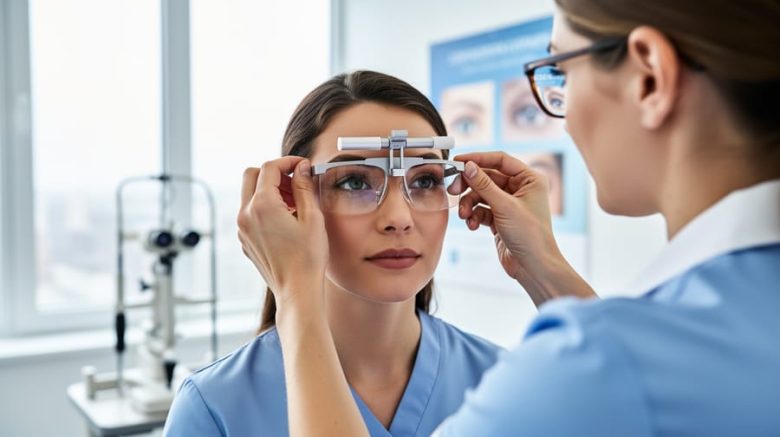
Your vision depends less on luck and more on the choices you make every day. Most eye problems develop gradually and silently, but you can intercept many of them by building simple protective habits into your routine now. The ten strategies in this guide represent the most effective, evidence-based steps optometrists and ophthalmologists recommend for preserving your eyesight across your lifetime.
Many people wait until they notice blurred vision or eye discomfort before thinking about eye health. By then, subtle damage may already be underway. Common eye conditions like glaucoma, macular degeneration, and diabetic retinopathy often progress without early warning signs, making prevention your strongest defense.
The good news? Research suggests that many vision problems respond well to proactive care. You don’t need expensive equipment or complicated protocols. What matters is consistency with proven practices: scheduling regular eye exams even when your vision seems fine, protecting your eyes from ultraviolet damage, managing screen fatigue with deliberate breaks, and addressing the surprising connection between general health and eye health.
This article breaks down the ten most impactful prevention steps, explaining not just what to do but why each practice matters and how to implement it realistically. Whether you’re in your twenties or your seventies, these strategies adapt to your life stage and help you take control of your vision health before problems begin.
How We Chose These Preventive Eye Care Steps
We selected these ten preventive eye care steps by drawing on current ophthalmologist recommendations, established public health guidelines, and clinical practices recognized for reducing the most common vision threats. Each step addresses a specific risk factor, from environmental hazards to lifestyle choices, that eye care professionals consistently identify as important for long-term eye health. Rather than focusing on treatment after problems appear, these measures emphasize prevention: catching issues early through regular exams, protecting eyes from daily damage, and supporting the body’s natural defenses against age-related conditions.
These recommendations work together as a comprehensive system. Wearing UV-protective sunglasses, for instance, complements a nutrient-rich diet, while managing chronic health conditions enhances the effectiveness of routine screenings. We’ve prioritized actions that are practical to implement, backed by professional consensus, and proven to make meaningful differences in preserving vision across all age groups.
1. Schedule Regular Comprehensive Eye Exams
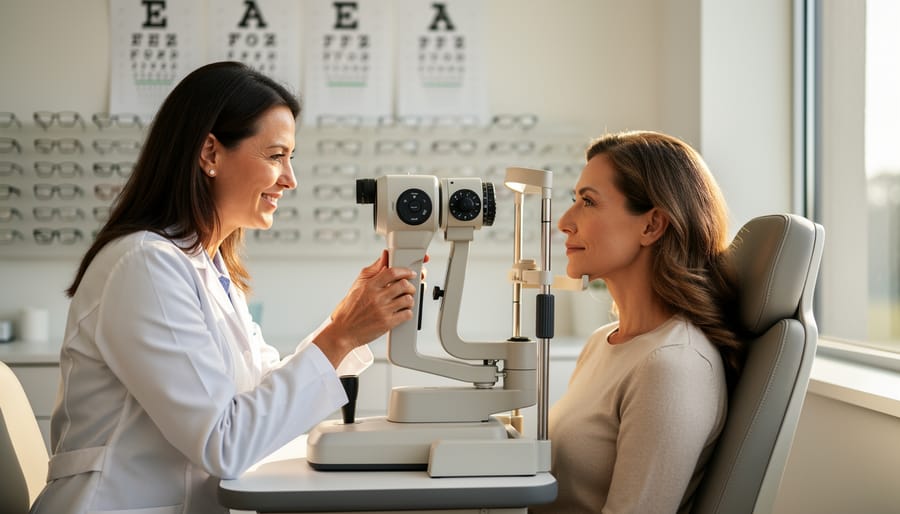
Regular eye exams remain your most powerful tool for preventing vision loss because they detect problems before symptoms appear. Many serious eye conditions, including glaucoma, diabetic retinopathy, and macular degeneration, develop silently in their early stages. By the time you notice changes in your vision, permanent damage may have already occurred.
A comprehensive eye exam goes far beyond reading letters on a chart. Your eye care professional will dilate your pupils to examine the retina and optic nerve, measure eye pressure to screen for glaucoma, test how your eyes work together, and assess your need for vision correction. These tests can reveal not only eye diseases but also early signs of diabetes, high blood pressure, and other systemic health conditions.
The American Academy of Ophthalmology recommends that adults with no risk factors get a baseline eye exam at 40, then follow their doctor’s advice for subsequent visits. Adults over 65 should have exams every one to two years. Children need their first exam at six months, another at age three, and before starting school. If you have diabetes, a family history of eye disease, or other risk factors, you’ll need more frequent monitoring, typically annual exams or as your eye doctor recommends.
2. Protect Your Eyes from UV Radiation
Ultraviolet radiation doesn’t just harm your skin, it accumulates in your eyes throughout your life, contributing to cataracts, macular degeneration, and growths on the eye’s surface. Many people assume UV protection is only necessary on bright summer days, but harmful rays penetrate clouds and reflect off water, sand, snow, and pavement year-round.
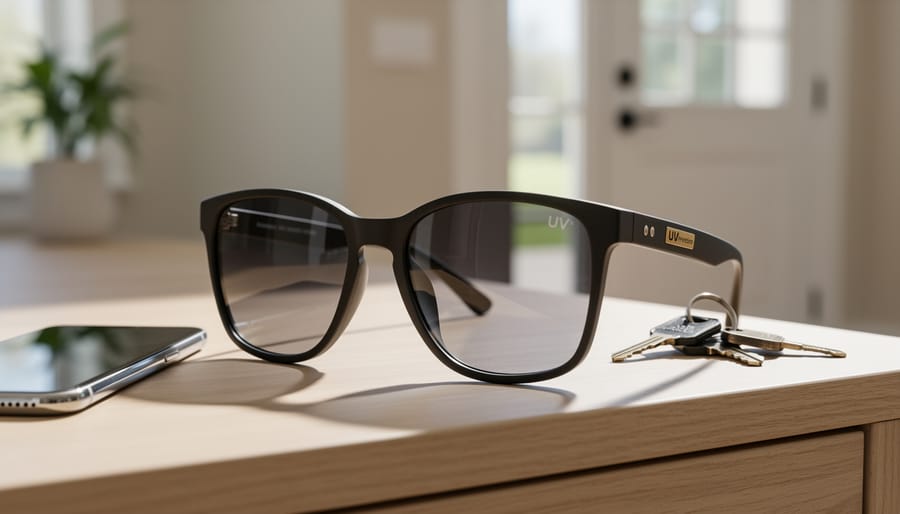
Look for sunglasses labeled “UV400” or “100% UV protection,” which block both UVA and UVB rays. Wraparound styles offer better coverage by preventing rays from entering around the frames. Bigger lenses protect more of the delicate skin around your eyes, where cancers can develop.
Don’t rely on dark tints alone, lens darkness doesn’t indicate UV blocking ability. Even clear lenses can have UV protection added. Polarization reduces glare but doesn’t inherently block UV, so check for specific UV ratings.
Pair sunglasses with a wide-brimmed hat for additional protection. A three-inch brim blocks roughly half the UV radiation reaching your eyes from above. This combination matters during prolonged outdoor activities like hiking, gardening, or watching outdoor sports, when cumulative exposure adds up.
3. Follow the 20-20-20 Rule for Screen Time
Hours spent staring at screens can leave your eyes feeling tired, dry and strained, a condition known as digital eye strain or computer vision syndrome. When you focus on a screen, you naturally blink less frequently, which reduces the protective tear film that keeps your eyes comfortable and healthy. This combination of sustained focus and reduced blinking creates the perfect recipe for eye fatigue.
The 20-20-20 rule offers a simple remedy: every 20 minutes, look at something 20 feet away for at least 20 seconds. This brief break allows your eye muscles to relax from the constant near-focus work that screens demand. Twenty feet is roughly the distance across a typical room, so you don’t need to measure precisely, just shift your gaze to a window, a far wall, or down a hallway.
Setting reminders helps turn this practice into a habit. Use your phone’s timer, download a break-reminder app, or even stick a note on your monitor edge. Many people find the routine becomes automatic within a week or two.
Beyond the 20-20-20 rule, these adjustments support comfortable screen use:
- Position your screen 20 to 26 inches from your eyes, slightly below eye level
- Adjust screen brightness to match your surrounding lighting, not brighter
- Consider blue light filters for evening use, though their impact on eye health prevention remains under study
- Use artificial tears if your eyes feel dry during extended screen sessions
If eye strain persists despite these measures, schedule an eye exam, you may need glasses optimized for computer distance, or an underlying issue could be contributing to your discomfort.
4. Maintain a Vision-Healthy Diet
Your retinas need specific nutrients to function properly and resist age-related damage. Omega-3 fatty acids support the structural health of retinal cells and may help maintain tear production. Vitamins C and E act as antioxidants that protect eye tissues from oxidative stress. Zinc helps transport vitamin A from your liver to your retinas, where it’s converted into melanin, a protective pigment. Lutein and zeaxanthin concentrate in the macula and function as natural filters against harmful blue light.
You’ll find omega-3s in fatty fish like salmon, sardines, and mackerel, plus walnuts and flaxseeds. Citrus fruits, berries, and bell peppers deliver vitamin C, while nuts, seeds, and leafy greens provide vitamin E. Oysters, beef, and pumpkin seeds are excellent zinc sources. For lutein and zeaxanthin, eat dark leafy greens like kale and spinach, plus egg yolks and corn.
Research suggests these nutrients may slow the progression of age-related macular degeneration in people already showing signs of the condition. While a healthy diet won’t guarantee you’ll avoid eye problems, consistently eating these foods gives your eyes the raw materials they need to maintain their defenses against damage over decades.
5. Manage Chronic Health Conditions
Your body’s overall health directly influences your vision. Diabetes can damage blood vessels in the retina, potentially leading to diabetic retinopathy, one of the leading causes of vision loss in adults. High blood pressure strains delicate blood vessels throughout the eye, increasing risks for conditions like hypertensive retinopathy and glaucoma. Autoimmune diseases such as lupus or rheumatoid arthritis can trigger inflammation affecting various eye structures.
The connection works both ways: your eye doctor may spot signs of these systemic conditions during routine exams, sometimes before you notice other symptoms. If you’re managing any chronic health condition, work closely with both your primary care provider and eye care professional. Keep blood sugar levels stable, maintain healthy blood pressure through medication or lifestyle changes, and follow prescribed treatment plans. Many vision complications from chronic conditions are preventable or manageable when the underlying disease stays controlled. Regular communication between your healthcare team ensures coordinated care that protects both your overall health and your sight.
6. Quit Smoking or Avoid Tobacco Exposure
Smoking harms your eyes in ways that often surprise people who know about its effects on lungs and heart but haven’t connected it to vision. Research consistently links tobacco use to several serious eye conditions that can lead to permanent vision loss.
The connection starts with how smoking affects blood vessels throughout your body, including the tiny vessels in your eyes. This reduced blood flow deprives eye tissue of oxygen and nutrients it needs to stay healthy. Over time, smoking is associated with increased risk for cataracts, the clouding of your eye’s natural lens. It also contributes to age-related macular degeneration, where the central part of your retina deteriorates, damaging the sharp, straight-ahead vision you need for reading and driving.
Perhaps most concerning, smoking can damage your optic nerve, the vital connection between your eyes and brain. Medical evidence suggests that smokers face elevated risks for these conditions compared to non-smokers, though individual risk varies based on many factors.
If you currently smoke, quitting at any age benefits your eye health. Your risk for smoking-related eye diseases begins to decrease after you stop. Talk to your doctor about cessation programs, prescription medications, nicotine replacement therapy, or counseling services. Many people succeed after several attempts, so don’t get discouraged if your first try doesn’t stick.
7. Wear Proper Eye Protection During Activities
Protecting your eyes during potentially hazardous activities is one of the most direct ways to prevent serious injury and permanent vision loss. Many eye injuries happen during routine tasks that people consider safe, yet proper protective eyewear could prevent the vast majority of these accidents.
Safety glasses or goggles are essential whenever you’re exposed to flying debris, chemicals, or impact hazards. This includes obvious workplace situations, but also extends to home projects like drilling, sanding, painting, or hammering, where particles can ricochet unexpectedly. Yard work presents particular risks: lawn mowers propel stones and sticks at high velocity, and string trimmers fling debris directly at face level.
Sports activities require sport-specific protection. Basketball, racquetball, and hockey involve fast-moving balls or pucks that can cause severe eye trauma. Even activities like cycling expose your eyes to wind, dust, and insects at speed. Regular prescription glasses aren’t adequate for these situations.
Effective protective eyewear must meet impact resistance standards (look for ANSI Z87.1 marking for general use) and provide side protection, not just frontal coverage. Polycarbonate lenses offer the best combination of clarity and impact resistance. For sports, choose eyewear designed for your specific activity, as requirements vary significantly. If you wear prescription glasses, investigate prescription safety glasses or goggles that fit over your regular frames rather than going without protection.
8. Practice Good Contact Lens Hygiene
Contact lenses offer wonderful freedom, but they also require consistent, careful hygiene to prevent serious infections. Even minor lapses can introduce bacteria or other pathogens that threaten your vision.
Always wash your hands thoroughly with soap and water before handling your lenses. Insert and remove them over a clean surface so you can retrieve a dropped lens safely. Never use tap water, saliva, or any liquid other than fresh contact lens solution to clean or store your lenses, water contains microorganisms that can cause severe infections, including rare but devastating conditions that may require corneal transplants.
Replace your contact lens case every three months, and never top off old solution with new. Each time you store your lenses, use fresh solution and let the case air-dry completely. Follow your prescribed replacement schedule exactly, whether daily, biweekly, or monthly. Wearing lenses beyond their intended lifespan allows protein deposits and bacteria to accumulate.
Unless your eye care provider has specifically prescribed extended-wear lenses, remove your contacts before sleeping. Overnight wear dramatically reduces oxygen flow to your cornea and creates conditions where infections develop more easily. Remove your lenses before swimming, showering, or entering hot tubs to avoid waterborne pathogens.
If you experience redness, pain, discharge, or vision changes while wearing contacts, remove them immediately and contact your eye care provider.
9. Know Your Family Eye Health History
Your genes play a significant role in your eye health. Many serious eye conditions run in families, including glaucoma, age-related macular degeneration, retinal detachment, and some forms of cataracts. If a close relative has experienced these conditions, your own risk increases, making preventive monitoring more important.
Start by asking parents, siblings, and grandparents about their eye health history. Find out if anyone has been diagnosed with glaucoma, macular degeneration, diabetic eye disease, or other chronic conditions. Ask about the age when problems started and what warning signs they experienced.
Share this information with your eye care provider during your next exam. They can adjust your screening schedule and watch for early indicators of hereditary conditions. Some genetic eye diseases develop gradually without symptoms, so knowing your family history helps your doctor catch problems at the most treatable stages. Document what you learn and update your provider if relatives receive new diagnoses over time.
10. Give Your Eyes Regular Rest and Adequate Sleep

Your eyes work hard all day, and like any hardworking part of your body, they need adequate rest to function properly. During sleep, your eyes replenish their moisture through tear production, clear out irritants, and repair minor damage from daily wear. Chronic sleep deprivation disrupts these essential processes, leading to dry, irritated eyes and reduced visual performance.
Eye fatigue typically announces itself through symptoms like burning sensations, difficulty focusing, increased light sensitivity, and that gritty feeling as if something is in your eye. You might also notice frequent headaches, especially after extended visual tasks, or find yourself rubbing your eyes more often than usual.
To support your eye health through better rest, aim for seven to nine hours of sleep each night in a darkened room. Keep your bedroom cool, as excessive heat can worsen dry eye symptoms. If you struggle with dry eyes, consider a humidifier to add moisture to the air while you sleep. Take short breaks throughout your day to close your eyes for a few minutes, especially during intensive visual work.
When eye fatigue persists despite adequate rest, or if you experience sudden changes in vision, sharp pain, or see flashes of light, contact your eye care professional promptly, these symptoms may signal conditions requiring immediate attention.
Putting Your Preventive Eye Care Plan Into Action
You don’t need to implement all ten steps at once. Start with the actions most relevant to your current situation, if you spend hours on screens daily, prioritize the 20-20-20 rule and regular breaks; if you have a family history of eye disease, make comprehensive exams non-negotiable. Build these habits gradually, one or two at a time, until they become automatic parts of your routine.
Prevention is a lifelong commitment, not a one-time fix. The choices you make today, wearing sunglasses, taking screen breaks, managing your health conditions, compound over years to protect your vision when it matters most. Your eyes are irreplaceable, and these simple, consistent actions give them the best chance to serve you well for decades to come.
Common Questions About Preventive Eye Care
At what age should I start getting regular eye exams?
Adults with no symptoms or risk factors should begin comprehensive eye exams at age 40, when early signs of eye diseases often emerge. However, if you have diabetes, high blood pressure, a family history of eye disease, or wear corrective lenses, start routine exams in your 20s or as your eye care provider recommends.
Can eye exercises prevent vision problems?
While eye exercises can help with some conditions like convergence insufficiency or reduce digital eye strain, they cannot prevent refractive errors, cataracts, glaucoma, or macular degeneration. The 20-20-20 rule reduces eye fatigue but is not a substitute for comprehensive preventive care like exams, UV protection, and healthy lifestyle choices.
Can I just take eye vitamins instead of eating a healthy diet?
Supplements cannot replace the complex nutritional benefits of whole foods. Your body absorbs and uses nutrients from food more effectively than isolated vitamins, and a varied diet provides beneficial compounds that supplements lack. Consider supplements only to fill specific gaps your diet doesn’t address, and discuss them with your doctor first.
What warning signs require immediate medical attention?
Seek emergency care for sudden vision loss, sudden onset of floaters or flashes, eye pain accompanied by nausea, a curtain or shadow across your vision, sudden blurry vision with eye redness, or any eye injury. These symptoms can indicate serious conditions like retinal detachment or acute glaucoma that require urgent treatment to preserve vision.
These questions reflect what many people wonder when they start taking eye health seriously. The answers point back to the preventive steps covered throughout this article while clarifying common misconceptions. Prevention works best when you understand both what to do and what limitations exist, allowing you to make informed decisions about your eye care routine and know when professional evaluation becomes necessary.