How to Whiten Your Eyes

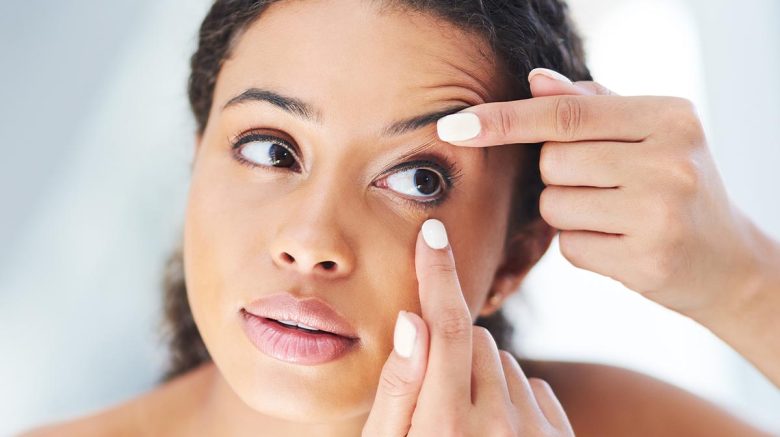
Eye redness is caused by several factors. They include allergies, eye strain, sleepiness, viral and bacterial conjunctivitis, dry eye syndrome, and contact lenses use. Yellow eyes are caused by jaundice. Jaundice is the yellowing of the skin. This condition can be caused by health issues such as liver cirrhosis, malaria, pancreatitis, autoimmune diseases, and liver cancer. Sun exposure can also cause eye discoloration.
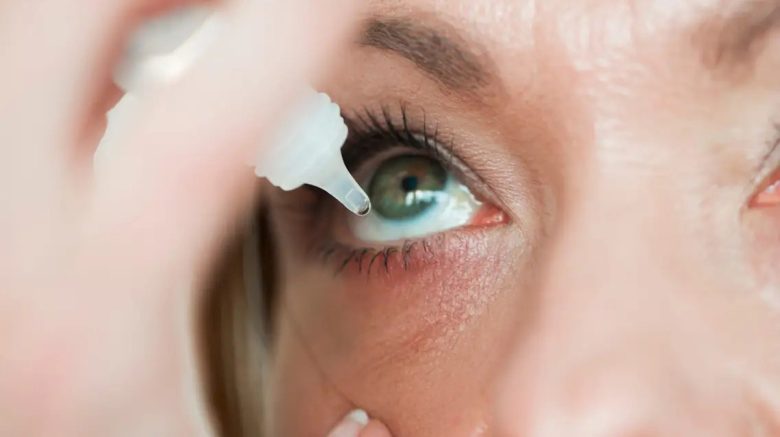
To make your eyes whiter, you should use eye drops or artificial tears. However, the true way to treat it is  to address the underlying problem. To alleviate eye allergies, you should avoid whatever triggers them. …

What You Should not do After Eye Dilation by Your Eye Doctor

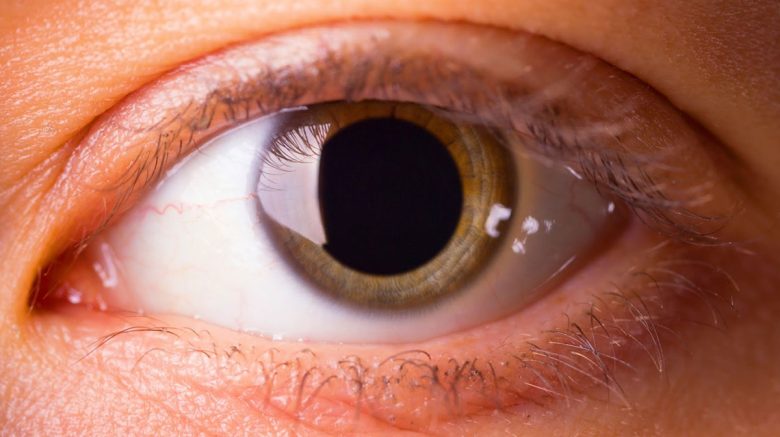
After eye dilation, there are things that you should not do.
Take the following precautions after you have had your eyes dilated:

Avoid driving as your vision will be blurred and sensitive to light because of the eye drops. So, wear sunglasses and ask your loved one to drive you home.
Do not look directly into the sun. Too much light will make your eyes strain leading to headaches.
Avoid staring at digital screens as the blue light from electronic screens leads to digital eye strains.
Do not read letters in small font. Struggling to see small fonts will cause fatigue, eye strains, and …

Eye Exam Frequency

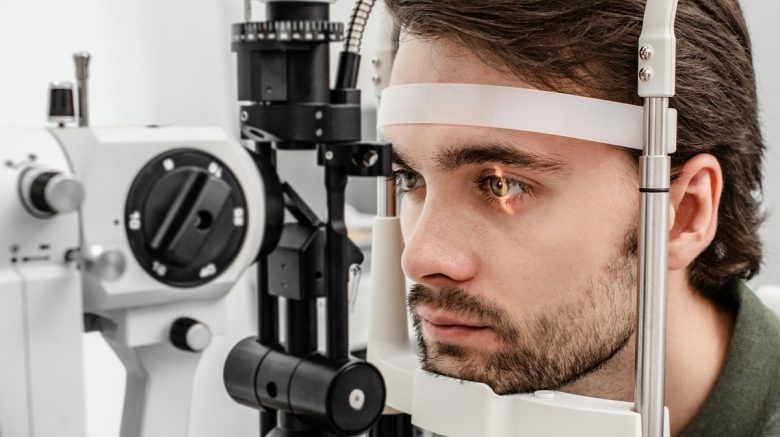
Professionals who specialize in the care of eyes recommend eye checks once between one to two years. It may depend on your age, use of corrective lenses, and risk factors. Although screening is done in schools, it’s not a substitute for comprehensive eye checkups that can point out the underlying causes of vision problems.
Children’s Eye Exam Frequency
Regular eye exams are essential for children to detect vision problems that may influence their learning. Professionals recommend a first eye check-up at 6 months, at age 3, and before joining grade one. Those without risk factors can have yearly exams until age 18, …