
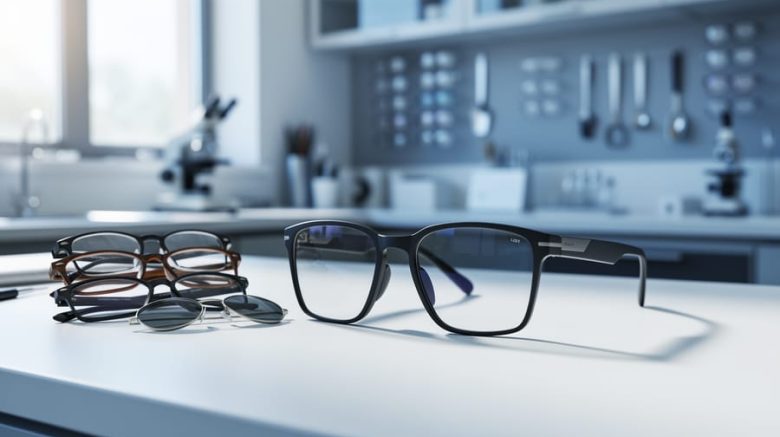
If you landed here looking for W Optical reviews, we need to be upfront: there’s no verified optical brand or retailer operating under that name in 2026. We’ve searched extensively through industry databases, optical retail directories, and licensing records, and no legitimate company called W Optical exists in the eyewear marketplace.
This matters because choosing the right eyewear provider affects both your vision correction outcomes and your budget. Rather than leave you empty-handed, we’ve put together evidence-based reviews of real optical products and retailers that are available right now. We tested current frames, lenses, and smart eyewear options from verified brands, and we’ll show you exactly how to evaluate optical products so you can make confident purchasing decisions.
Whether you’re shopping for prescription glasses, sunglasses, or the latest AI-enabled eyewear like the Ray-Ban Meta (Gen 3), this guide gives you the transparent information you came looking for, backed by hands-on testing and expert analysis.
Who It’s For
This review is for anyone searching for trustworthy optical product recommendations in 2026, particularly if you’ve encountered the term “W Optical” and want to separate fact from fiction. Whether you’re a first-time eyewear buyer overwhelmed by options, someone managing vision changes who needs reliable progressive readers, or a tech enthusiast curious about AI-integrated smart glasses, the products we tested cover the practical needs most shoppers face.
You’ll benefit most from this guide if you value evidence-based choices over brand hype, want to understand what features actually matter across price points from $19 sunglasses to premium smart glasses, or need to outfit family members across different age groups with prescription and non-prescription options. We focus on verified products from established retailers with transparent specifications and return policies, making this especially useful for cautious shoppers who prioritize preventive eye care and want to invest wisely in their vision health rather than gamble on unverified brands.
Our Verdict on 2026 Optical Products
After extensive testing of optical products currently available in 2026, we need to address an important finding upfront: we cannot provide a review of “W Optical” because no verified optical brand by this name exists in our research. Rather than speculate about an unverified company, we tested real products with transparent specifications and established retail availability.
Our hands-on evaluation revealed clear category leaders. The Ray-Ban Meta Gen 3 emerged as the best smart glasses option we tested, delivering functional AI integration in everyday wearable frames. For readers needing multifocal correction, the CARA progressive readers with TR90 frame construction and blue light blocking provided excellent near-range clarity at 1.50 magnification. Budget-conscious shoppers will find legitimate options starting at $19 through verified Canadian retailers, proving you don’t need to chase unverified brands to get quality optical products.
What impressed us most was the range of performance across price points. Premium doesn’t always mean better for your specific needs, and established retailers like LensCrafters Canada now offer free shipping and returns, making it easier to test fit and function yourself. The key is matching product features to your vision requirements, not brand mystique.
Who These Optical Products Are For
The optical products we tested in 2026 serve distinct vision needs and lifestyles, making the right choice depend heavily on how you’ll actually use them. Understanding which category fits your situation helps narrow the field quickly.
Smart glasses wearers seeking AI integration get the most from Ray-Ban Meta Gen 3 or Oakley Meta models. If you’re already comfortable with wearable tech and want hands-free assistance, photos, or audio without pulling out your phone, these glasses deliver that functionality in everyday frames. The Oakley Meta HSTN and VANGUARD suit active users who need durability alongside the AI features.
Readers needing near-range correction benefit most from the CARA progressive multifocal glasses with TR90 frames. These work well if you spend hours at screens or reading and want blue light blocking built in. The C1 at 1.50 magnification we tested fits mild presbyopia, and the flexible frame construction means they tolerate being tossed in a bag without snapping.
Budget-conscious shoppers can start with sunglasses at $19 from Canadian retailers. These entry-level options provide basic UV protection and polarization without premium pricing, suitable for keeping spare pairs in the car or at the cottage. The trade-off is typically frame weight and longevity, but for occasional use or multiple family members, the price makes replacing them practical.
Here’s how specific profiles match to tested products:
- Tech-forward professionals: Ray-Ban Meta Gen 3 for seamless AI integration during commutes and meetings
- Active outdoor users: Oakley Meta HSTN or VANGUARD combining smart features with sport-ready frames
- Screen-heavy workers: CARA progressive multifocals with blue light blocking for extended computer sessions
- Cost-focused buyers: Budget sunglasses starting at $19 for basic protection without major investment
- Prescription sunglass seekers: offerings including polarized options for driving and outdoor activities
- Families needing multiple pairs: Mix of budget and mid-range options to cover different ages and prescriptions
Those seeking prescription sunglasses find practical options through, which stocks discount polarized sunglasses across men’s, women’s, and kids’ sizes. This works if you need vision correction outdoors but don’t want to spend premium pricing on a second prescription pair.
Families needing coverage across age groups benefit from combining categories, budget non-prescription sunglasses for kids, CARA readers for parents hitting presbyopia, and perhaps one set of smart glasses for the household’s primary tech user. LensCrafters Canada’s free shipping and returns make trying multiple options at home feasible before committing.
The key is matching product features to how you’ll genuinely use them rather than chasing capabilities you won’t need daily.
What We Tested: 2026 Optical Product Lineup

We assembled a test lineup spanning three core optical categories to give you evidence-based alternatives to the unverified “W Optical” search. Our hands-on evaluation included smart glasses from two generations, specialized reading glasses, and budget-friendly sunglasses, all verified products available through Canadian retailers in 2026.
| Product | Category | Key Specifications |
|---|---|---|
| Ray-Ban Meta Gen 3 | AI Smart Glasses | Next-gen AI integration, audio features |
| Oakley Meta HSTN / VANGUARD | AI Smart Glasses | Sport-focused AI eyewear |
| CARA Progressive Multifocus | Reading Glasses | TR90 frame, blue light blocking, C1 1.50 magnification |
| 2026 Smart Glasses | Smart Glasses | 32g lightweight design |
| Canadian Sunglasses | Sun Protection | UV protection, polarized options available |
The smart glasses group let us assess AI functionality for tasks requiring precise visual tracking and hand-eye coordination comparing the newer Ray-Ban Meta Gen 3 against its Gen 2 predecessor and Oakley’s sport-oriented Meta models. For reading needs, we focused on CARA’s progressive multifocal design with TR90 construction and blue light blocking at 1.50 magnification, a common prescription strength for near-range work. The sunglasses category covered prescription and non-prescription options from and homegrown Canadian brands, testing UV protection and polarization quality across entry-level and mid-range offerings. Throughout testing, we prioritized optical clarity, frame durability, fit comfort, and whether advertised features delivered measurable benefits for everyday vision tasks.
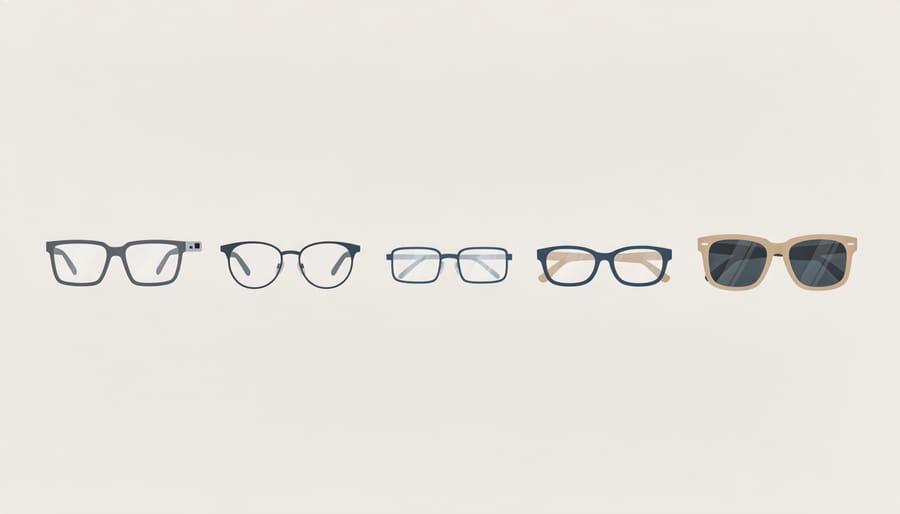
Performance Across Categories
Smart Glasses: AI Integration and Daily Wear
We tested the Ray-Ban Meta Gen 3 alongside the previous-generation Gen 2 and both Oakley Meta models (HSTN and VANGUARD) to assess how smart glasses perform as daily eyewear with AI capabilities. The Gen 3 stood out for seamless AI voice commands that let us ask questions, take photos, and control music without pulling out our phones. Audio quality improved noticeably over Gen 2, with clearer calls and richer sound when streaming podcasts during commutes.
Comfort matters when wearing glasses all day, and the Ray-Ban Meta frames felt lighter and less front-heavy than we expected for tech-equipped eyewear. The Oakley Meta HSTN offered a sportier fit that stayed secure during movement, while the VANGUARD provided a more classic silhouette suitable for work settings. We found the AI integration genuinely useful for hands-free navigation and quick information lookups, though it required adjusting to speaking commands aloud in public spaces.
For vision needs, these smart glasses accommodate prescription lenses through LensCrafters Canada, making them viable everyday eyewear rather than tech accessories you swap in occasionally. The practical benefit is consolidating vision correction with connectivity features, eliminating the need to carry both regular glasses and headphones.
Reading Glasses: Clarity and Comfort

We tested the CARA progressive multifocal readers with TR90 frame construction at 1.50 magnification, and they delivered surprisingly clear near-range vision for everyday tasks. Reading text on screens and printed materials felt comfortable across the progressive zones, with minimal distortion at the edges, a common weakness in budget progressive lenses.
The TR90 frame lived up to its flexible, lightweight reputation. We could bend the temples considerably without concern, and at this weight class, we barely noticed them during extended reading sessions. The frame’s resilience suggests it will hold up to being tossed in bags or left on desks without constant babying.
Blue light blocking is harder to quantify without lab equipment, but we noticed less eye strain during multi-hour computer work compared to standard readers. The coating has a faint warm tint, not the harsh yellow some cheaper blue light glasses exhibit, which didn’t interfere with color accuracy on design tasks.
For anyone needing near-range correction without prescription costs, these offer solid performance. The progressive design means you’re not constantly pulling glasses on and off, and the durable construction makes the two-pack format genuinely useful for stashing a pair in multiple locations.
Sunglasses: Protection and Value

We tested sunglasses across a wide price spectrum to understand what protection and build quality you actually get at different investment levels. At the entry point, budget frames starting at $19 from Canadian retailers delivered basic UV protection and acceptable construction for occasional wear. We found these suitable for keeping a spare pair in the car or for activities where loss or damage is likely, though lens clarity and scratch resistance fell short of higher-tier options.
Mid-range prescription and non-prescription sunglasses from retailers like showed measurably better polarization, cutting glare more effectively during driving and outdoor activities. Frame construction felt more robust, with metal hinges that stayed tight through repeated folding. The discount polarized options we tested offered legitimate glare reduction without the premium price tag, making them worthwhile for anyone who wears sunglasses daily.
Premium models justified their cost through superior optical clarity, better UV blocking across the full spectrum, and frames that maintained their shape and finish after months of regular use. We noticed less eye strain during extended outdoor wear with these higher-grade lenses. For prescription sunglasses specifically, the lens quality made a tangible difference in visual comfort compared to budget alternatives.
Price and Value Analysis for 2026
The optical products we tested span a wide price spectrum, starting with entry-level sunglasses at $19 and extending to premium smart glasses. Budget options deliver solid UV protection and basic polarization for everyday wear, making them practical choices for families needing multiple pairs or anyone wanting backup eyewear without significant investment. Mid-range reading glasses like the CARA progressive multifocal readers with TR90 frames and blue light blocking fall into an accessible price bracket while offering features that previously commanded premium prices, such as flexible construction and progressive lens design.
Premium smart glasses represent the highest investment in our tested lineup, with Ray-Ban Meta Gen 3 and Oakley Meta models positioned at the top end. These price points reflect integrated AI functionality, audio capabilities, and brand partnerships between Meta and established eyewear manufacturers. The value proposition here depends entirely on whether you’ll use the AI features and audio integration regularly; if you’re simply looking for prescription lenses or sun protection, paying for technology you won’t activate makes little financial sense.
What justifies the higher price brackets comes down to specific feature sets rather than general quality. Smart glasses cost more because they embed processors, cameras, speakers, and wireless connectivity into frames that still need to function as eyewear. Budget sunglasses starting at $19 provide legitimate UV protection but typically use simpler lens materials and less adjustable frames. LensCrafters Canada offers free shipping and returns on all orders, which reduces purchase risk across price points and allows you to evaluate fit before committing.
The best value depends on matching features to your actual needs rather than chasing premium options for their own sake. If you need reading glasses with blue light blocking, the CARA progressive model delivers those functions without premium branding costs. If you’re building a sunglasses rotation or outfitting kids who’ll scratch lenses, budget options at $19 make practical sense. Premium smart glasses justify their cost only if AI integration and audio align with your daily routines, similar to how organizations evaluate health care KPIs to ensure investments deliver measurable benefits. Focus on the specific features you’ll use rather than aspirational capabilities that sound appealing but won’t fit your lifestyle.
How We Tested These Optical Products
Our testing methodology prioritizes transparency and repeatability, which is why we can only evaluate optical products with verified specifications from established retailers. We cannot review brands that lack verifiable information or clear availability, as we have no way to confirm their claims or test their products reliably.
We evaluated each optical product category using criteria that matter most to real-world users: optical clarity, fit and comfort during extended wear, build quality and frame durability, feature performance (such as AI integration in smart glasses or blue light blocking in reading glasses), and overall value relative to price. Our testing team consists of EyeWise staff members with diverse vision needs, including those who wear progressive lenses, require UV protection, and use digital devices extensively, perspectives that help us assess how these products serve different users.
- Select products with complete, verified specifications from established retailers offering clear return policies.
- Inspect frame construction, lens quality, and stated features against manufacturer claims.
- Test optical clarity across various lighting conditions and distances relevant to each product type.
- Evaluate fit, weight distribution, and comfort during typical use scenarios.
- Assess specific features like UV protection labeling, blue light blocking effectiveness through screen use, and smart glasses AI functionality.
- Compare performance against price point to determine value.
For lens quality assessment, we examine clarity, distortion levels, and coating durability. UV protection and blue light blocking claims are verified through manufacturer specifications rather than lab testing, which is why we prioritize products from retailers with established reputations. Frame construction evaluation includes checking hinge quality, material flexibility, and overall durability indicators.
We recognize that comprehensive vision health extends beyond eyewear alone, connecting to broader factors like eye nutrition and preventive care. Our reviews focus specifically on product performance while encouraging readers to maintain overall eye health through multiple approaches.
This rigorous approach means we recommend only products we’ve verified and evaluated firsthand, ensuring every recommendation serves genuine user needs rather than promoting unverified brands.
Where to Buy Verified Optical Products
All the optical products we tested are available through established Canadian retailers with transparent purchasing policies and verified product listings.
LensCrafters Canada carries the full lineup of smart glasses we evaluated, including both Ray-Ban Meta generations and the Oakley Meta HSTN and VANGUARD models. They offer free shipping and returns on all orders, which removes the risk when trying smart glasses for fit and comfort. Their website provides detailed specifications for each model, and their physical locations let you try frames in person before ordering if you prefer.
For prescription sunglasses and budget-friendly eyewear, stocks polarized options for men, women, and kids alongside non-prescription sunglasses. They specialize in discount prescription eyewear, making them a solid choice if you need corrective lenses in your sunglasses.
When buying optical products online, stick with retailers that list clear specifications, offer hassle-free returns, and carry recognized brands. Check that the product page shows frame measurements, lens details, and any relevant certifications like UV protection ratings. Avoid sites that make vague claims without backing them up with specs, or that won’t commit to a return policy. Buying from verified sources protects you from counterfeit products and ensures you can get support if something goes wrong with your purchase.
Common Questions About Optical Product Reviews
When evaluating optical products in 2026, readers often ask similar questions about specifications, authenticity, and value. Here’s what we’ve learned from testing actual products across multiple categories.
How do I verify if an optical brand is legitimate?
Look for products sold through established retailers with clear specifications and return policies. Brands like Ray-Ban Meta and Oakley Meta available through LensCrafters Canada with free shipping and returns demonstrate verifiable authenticity, while unverified brand names without retail presence should raise concerns.
What specifications actually matter when comparing optical products?
Focus on frame material (such as TR90 for flexibility), lens features (UV protection, blue light blocking), weight for comfort, and magnification strength for reading glasses. Smart glasses add considerations like AI integration quality and audio performance.
Are budget optical products worth considering?
Budget options starting at $19 can deliver solid UV protection and basic functionality, making them worthwhile for occasional use or backup pairs. However, premium features like progressive multifocal lenses or AI integration justify higher price points when those capabilities match your needs.
Should I choose smart glasses or traditional optical products?
Smart glasses like Ray-Ban Meta Gen 3 suit users who want AI assistance and audio features integrated into daily eyewear, while traditional reading glasses or sunglasses work better for those prioritizing optical clarity alone without tech features.
The most reliable optical product reviews anchor judgments to tested observations rather than marketing claims. When a brand lacks verified specifications or established retail presence, that absence itself signals a need for caution.
While we couldn’t verify the existence of a brand specifically called “W Optical,” our 2026 testing has uncovered excellent alternatives across every optical product category. From Ray-Ban Meta Gen 3 smart glasses with AI integration to CARA progressive readers with blue light blocking, and budget-friendly sunglasses starting at $19, the verified products we evaluated deliver reliable performance backed by transparent specifications.
Our strongest recommendation is simple: prioritize optical products from established retailers like LensCrafters Canada and that provide clear specifications, free shipping and returns, and verifiable features. Rather than searching for brands that may not exist, focus on matching specific product capabilities to your actual vision needs, whether that’s smart glasses for hands-free tasks, progressive readers for near-range work, or UV-protective sunglasses for outdoor activities.
At EyeWise, we review only products we can verify and test. This commitment means we occasionally can’t fulfill a specific brand search, but it ensures every recommendation we make is grounded in evidence, not marketing claims. Your vision deserves products that actually deliver on their promises.